Roofing Installation
Shingle Roofing
The most common roof in the Valley, and the one where installation quality makes the biggest difference to how long it lasts.
Asphalt shingles cover most homes in Eastern Ohio and Western Pennsylvania for good reason: they handle our freeze-thaw swings well, they suit almost any roof line, and they come in enough colors and profiles to match any house. What separates a shingle roof that lasts its full rated life from one that does not is almost never the shingle itself — it is the decking underneath, the ventilation above the insulation, and the flashing detail at every edge.
Every installation starts with a proper tear-off and deck inspection, followed by ice & water shield in vulnerable areas, synthetic underlayment, and correctly balanced intake and exhaust ventilation — the details that separate a roof that lasts 15 years from one that lasts 30. As an Owens Corning Preferred Contractor we can also offer extended manufacturer coverage that standard installers cannot.
- Owens Corning architectural and 3-tab shingle options
- Ice & water shield and synthetic underlayment on every install
- Proper attic ventilation to extend shingle lifespan
- Wide range of colors to match your home’s style
- Manufacturer and workmanship warranties available
Not every shingle problem needs a full replacement. Isolated wind damage, a handful of lifted tabs, or a single failed flashing can often be repaired. We will look at the age of the roof, how widespread the damage is, and what the decking looks like underneath before recommending one over the other.
Shingle roofing, in plain terms
An asphalt shingle is a mat of fiberglass soaked in asphalt and surfaced with crushed mineral granules. The asphalt keeps water out, and the granules are what protect the asphalt from the sun. When a roof wears out, it is usually because those granules have washed away and the asphalt underneath has been left exposed — which is why granules collecting in your gutters matter more than they look like they should.
You will hear two families of shingle. Three-tab is the flat, uniform one common on older houses. Architectural — also called dimensional or laminated — is built from two layers bonded together, which gives it depth, more weight, and a higher wind rating. Almost everything we install now is architectural, because the price difference has narrowed to the point where three-tab rarely makes sense.
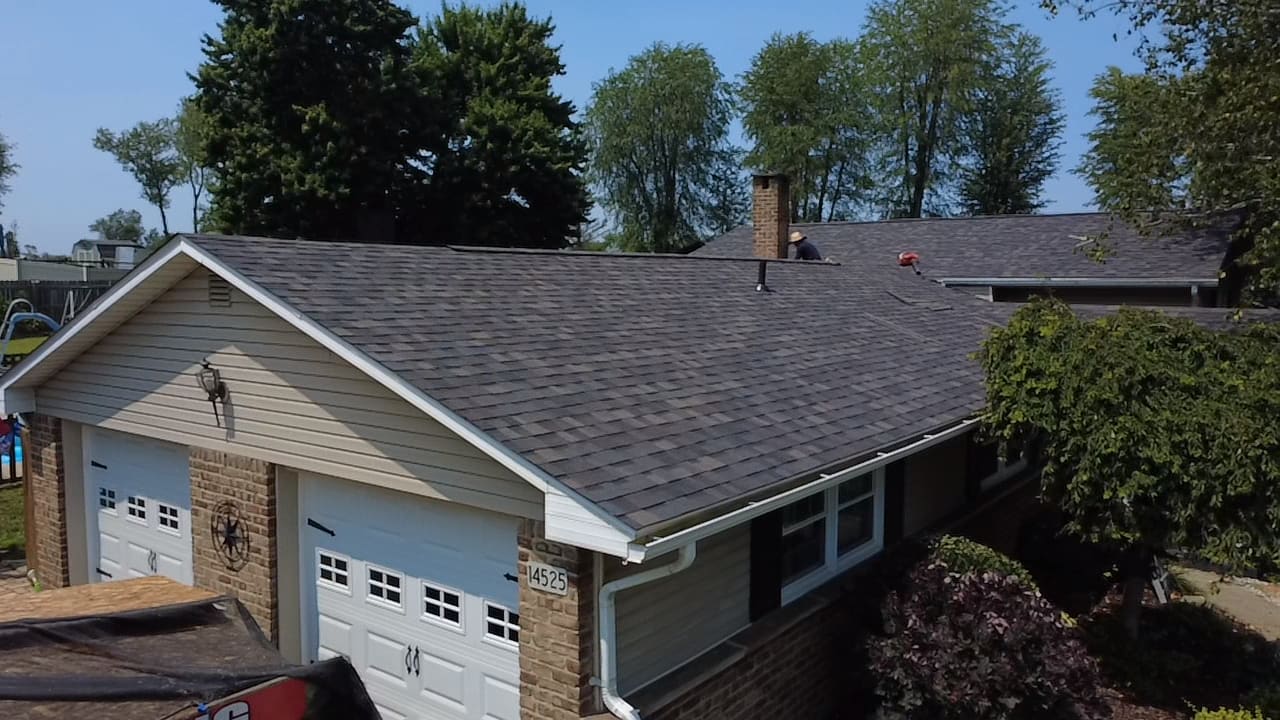
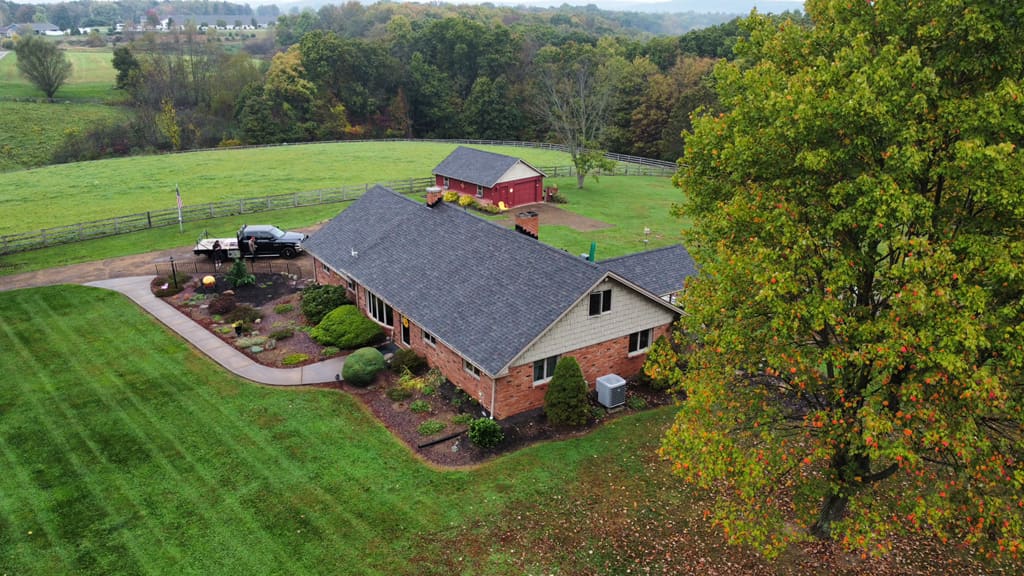
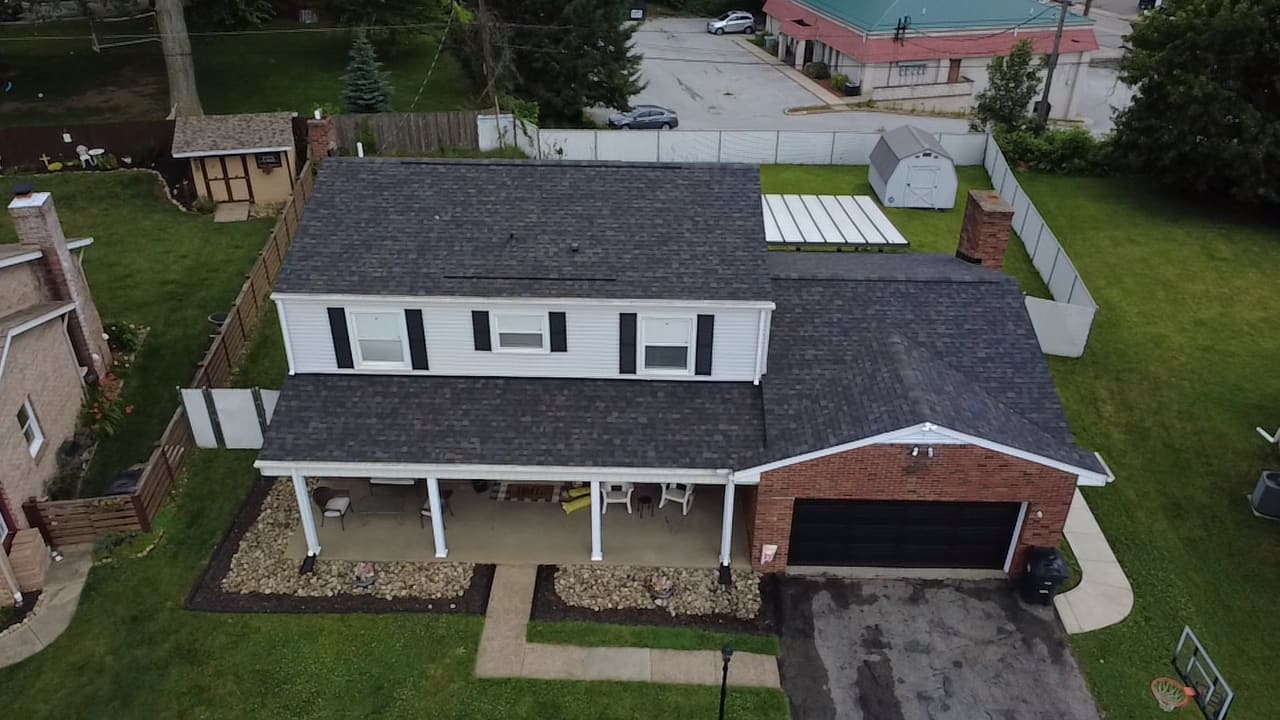
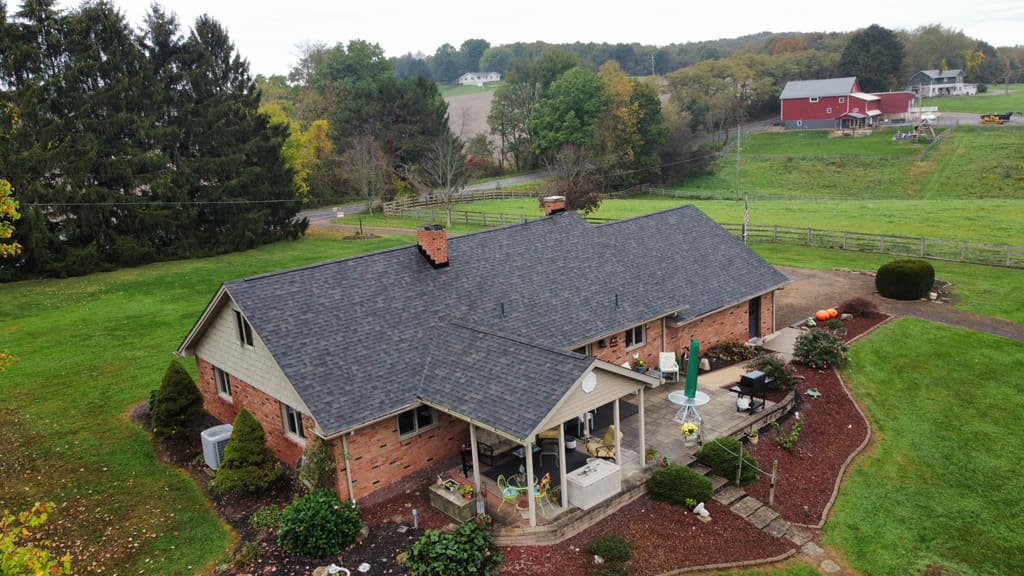
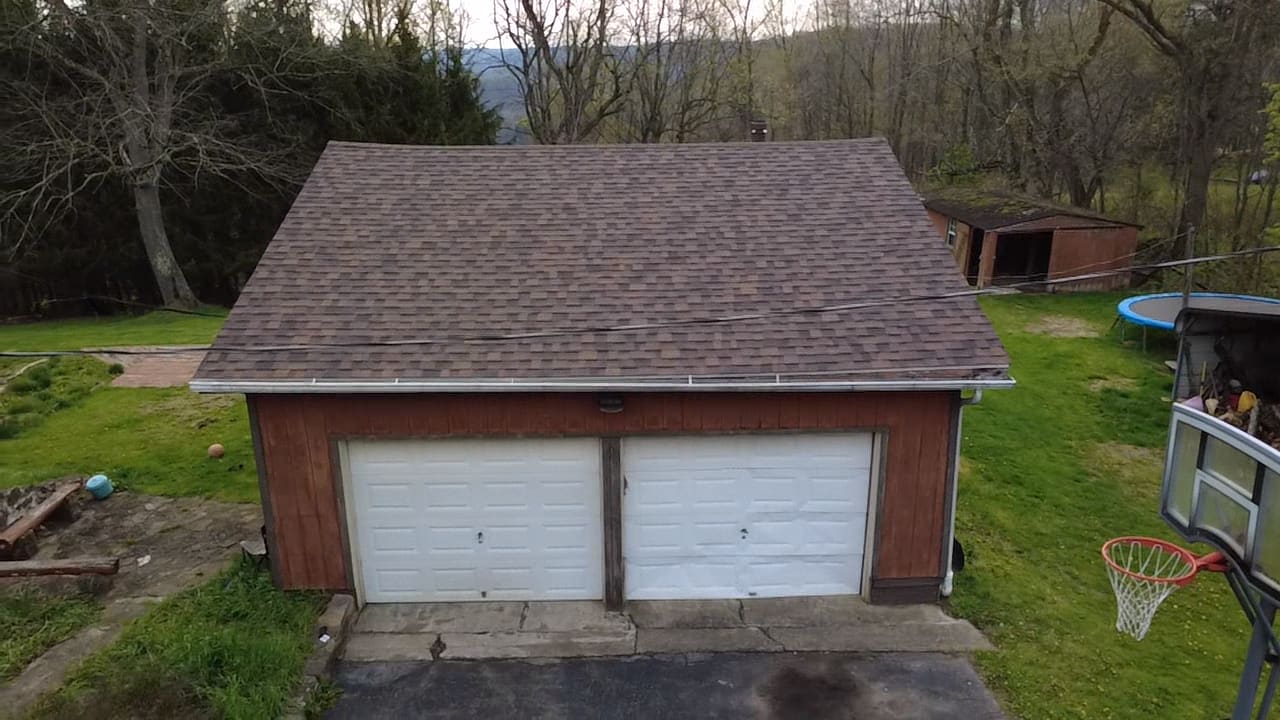
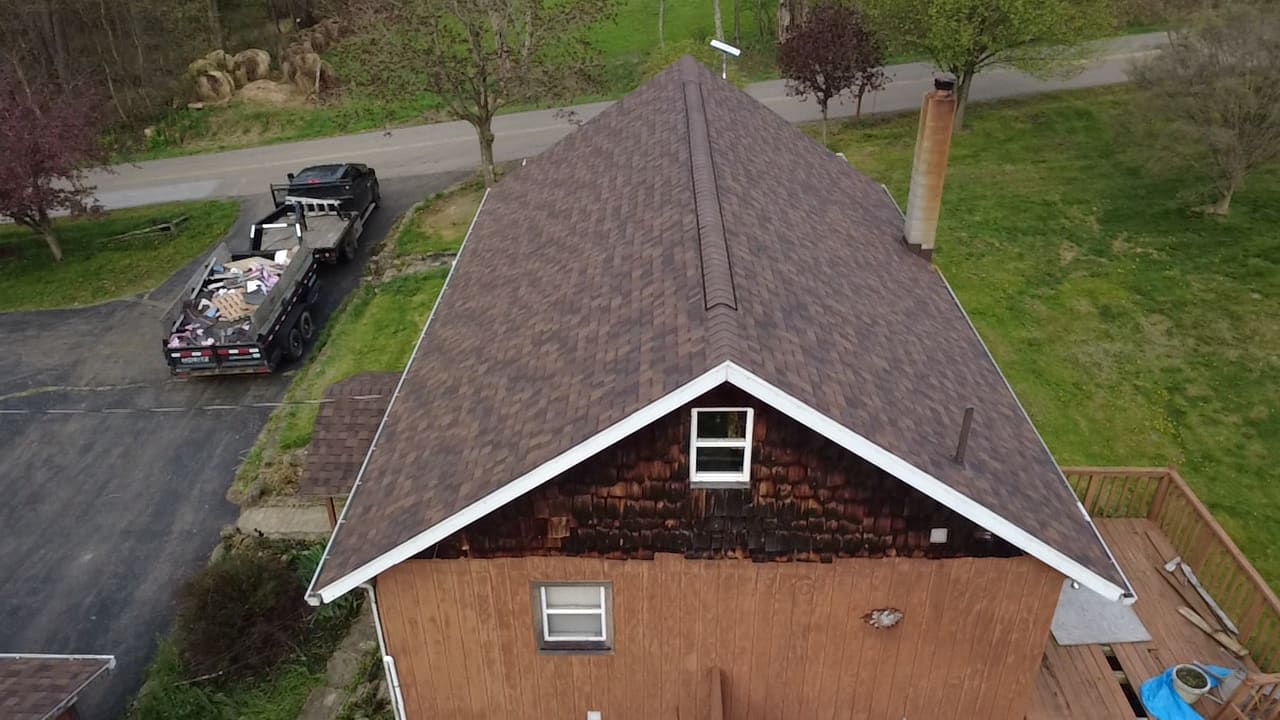
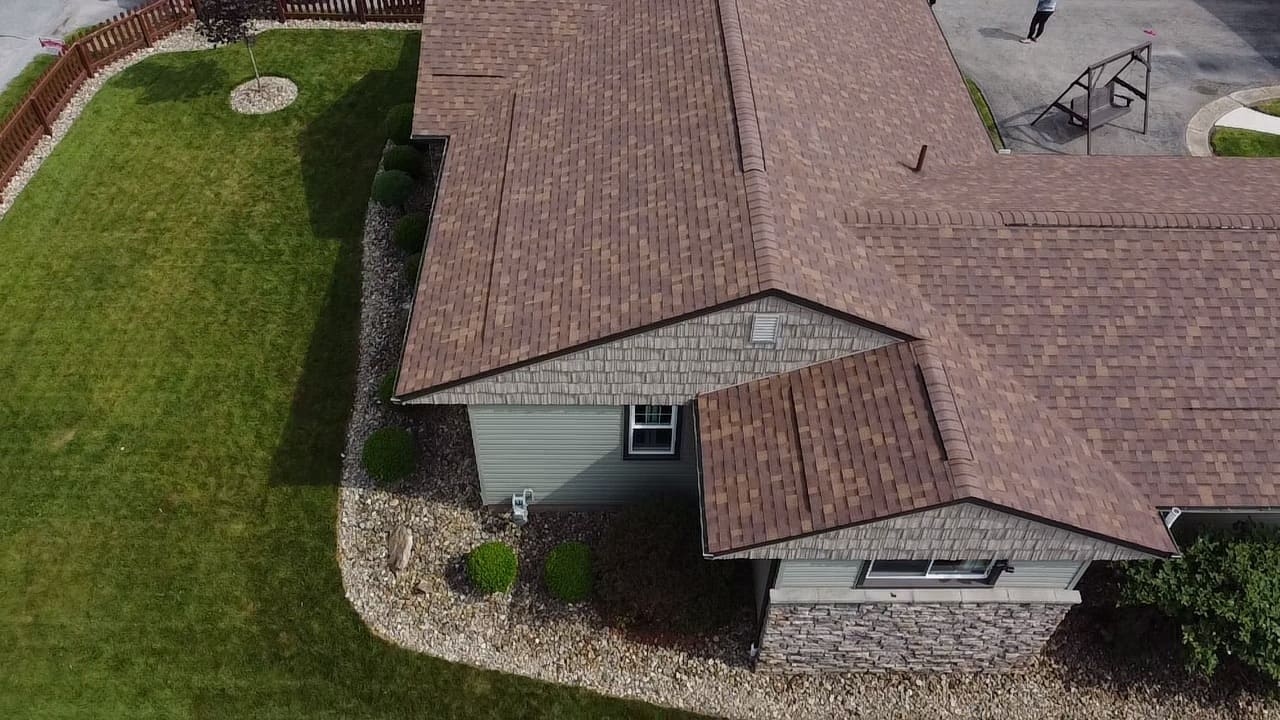
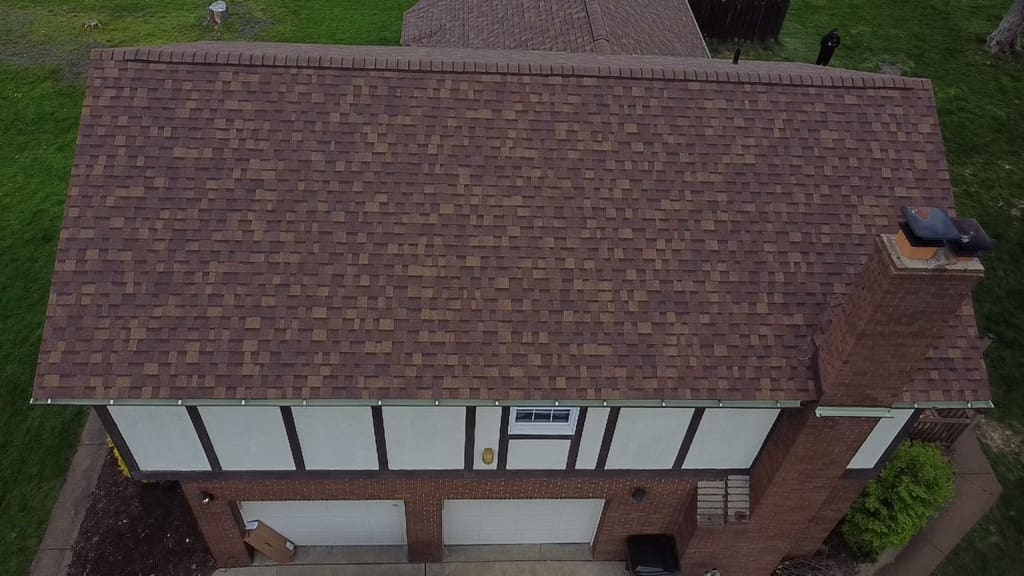
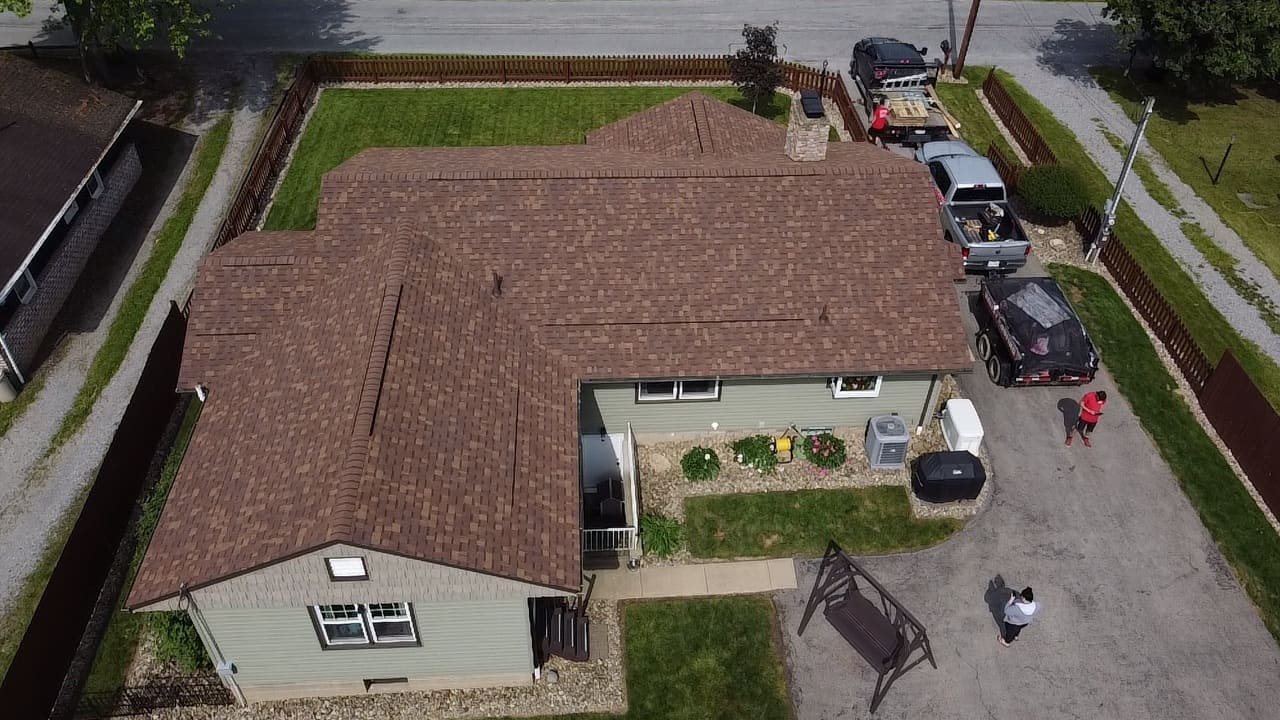
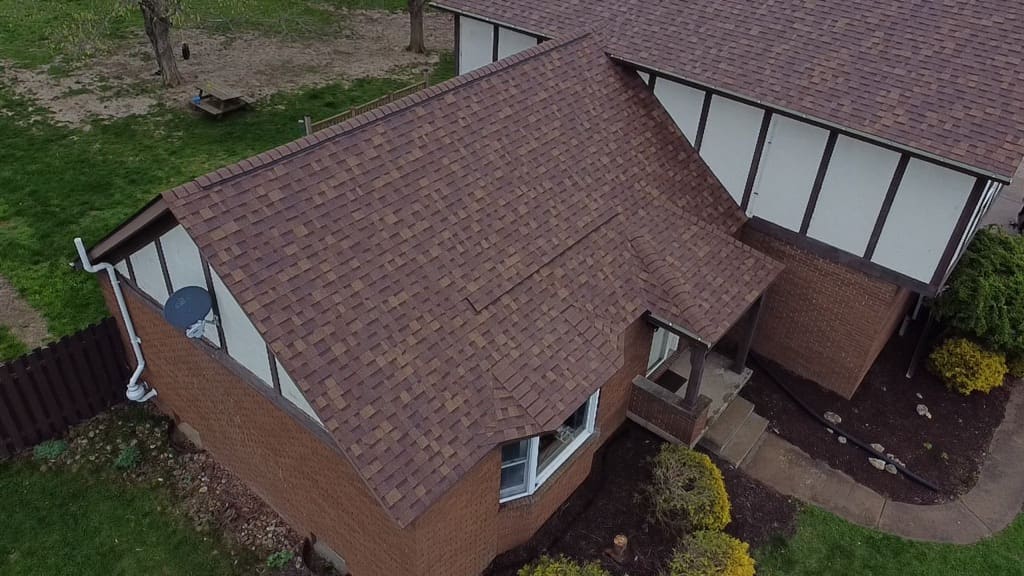
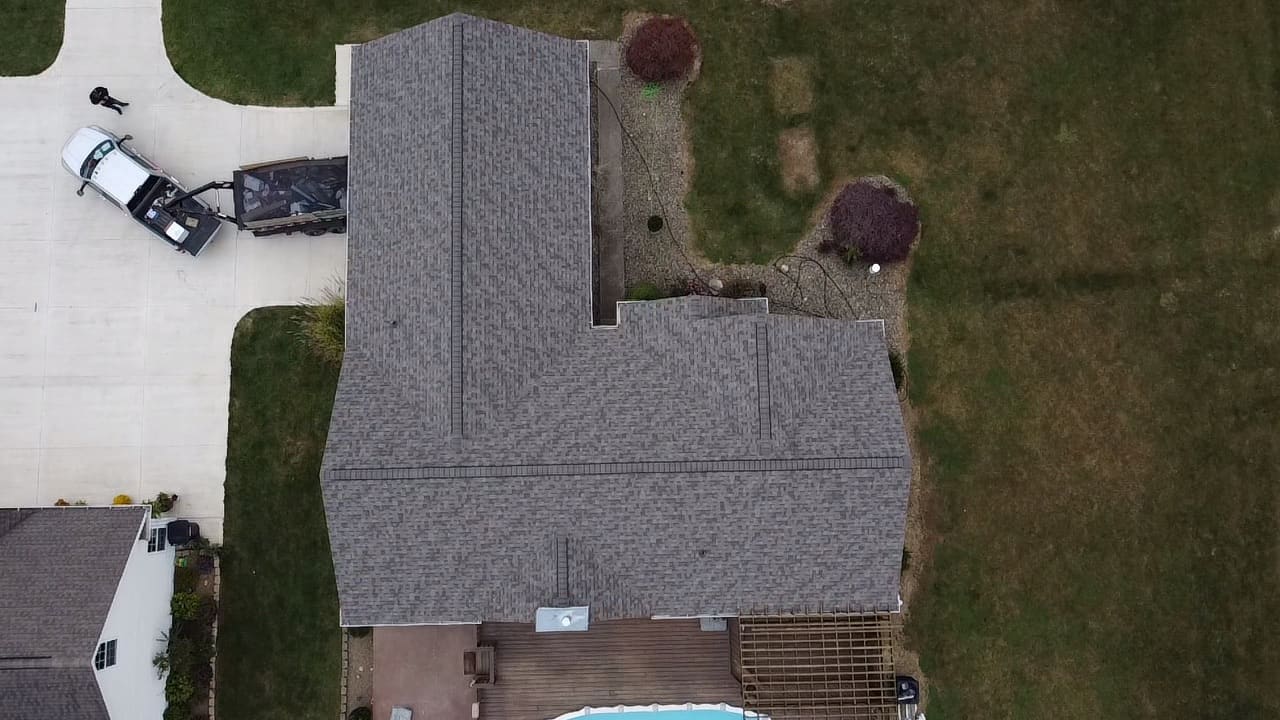
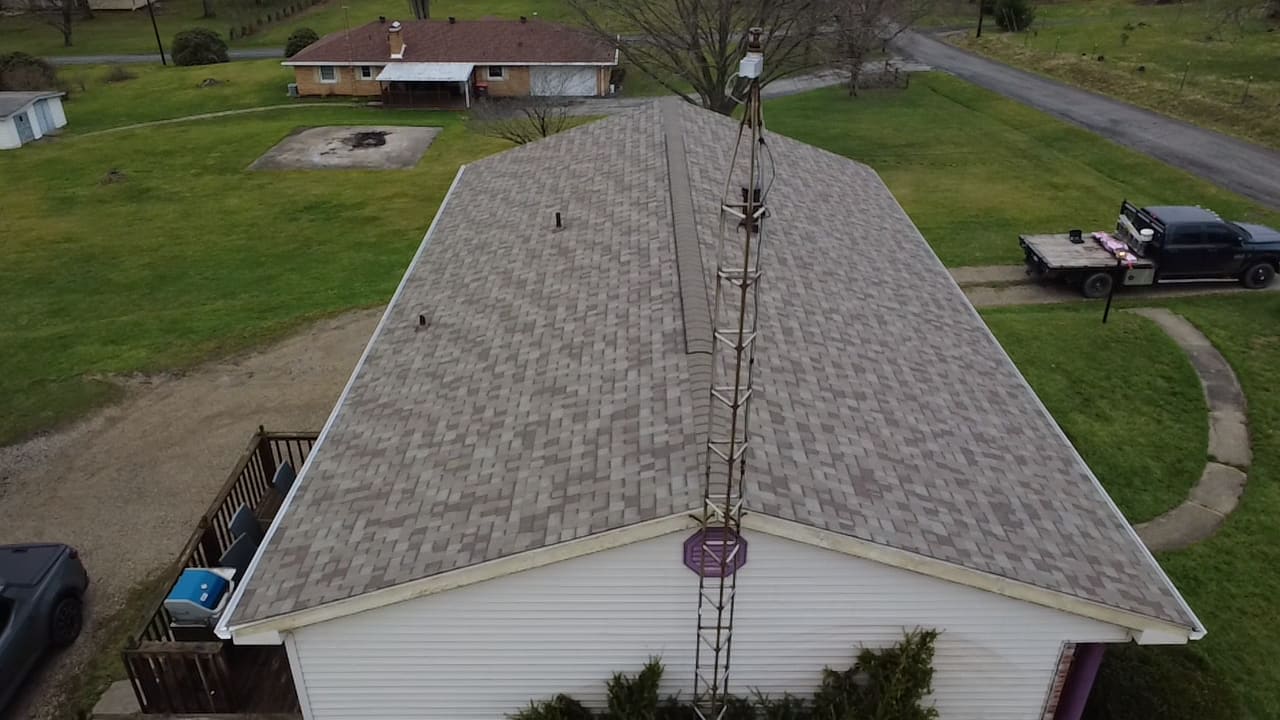
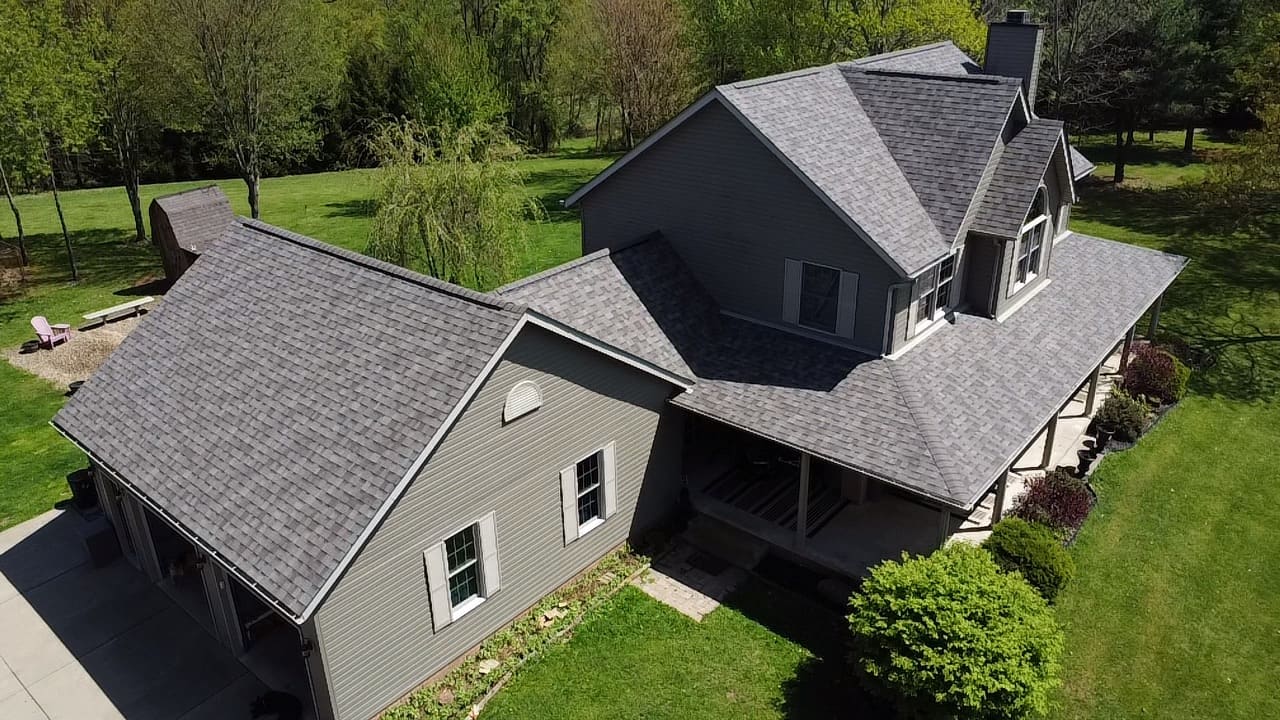
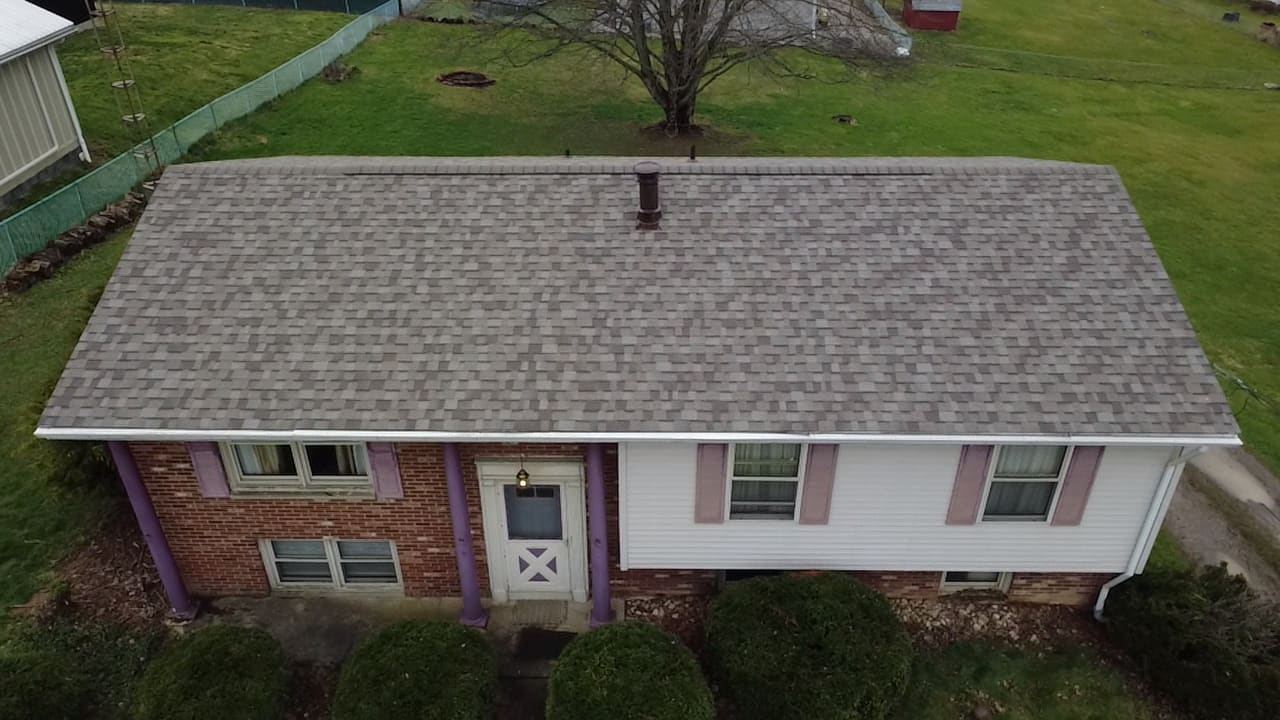
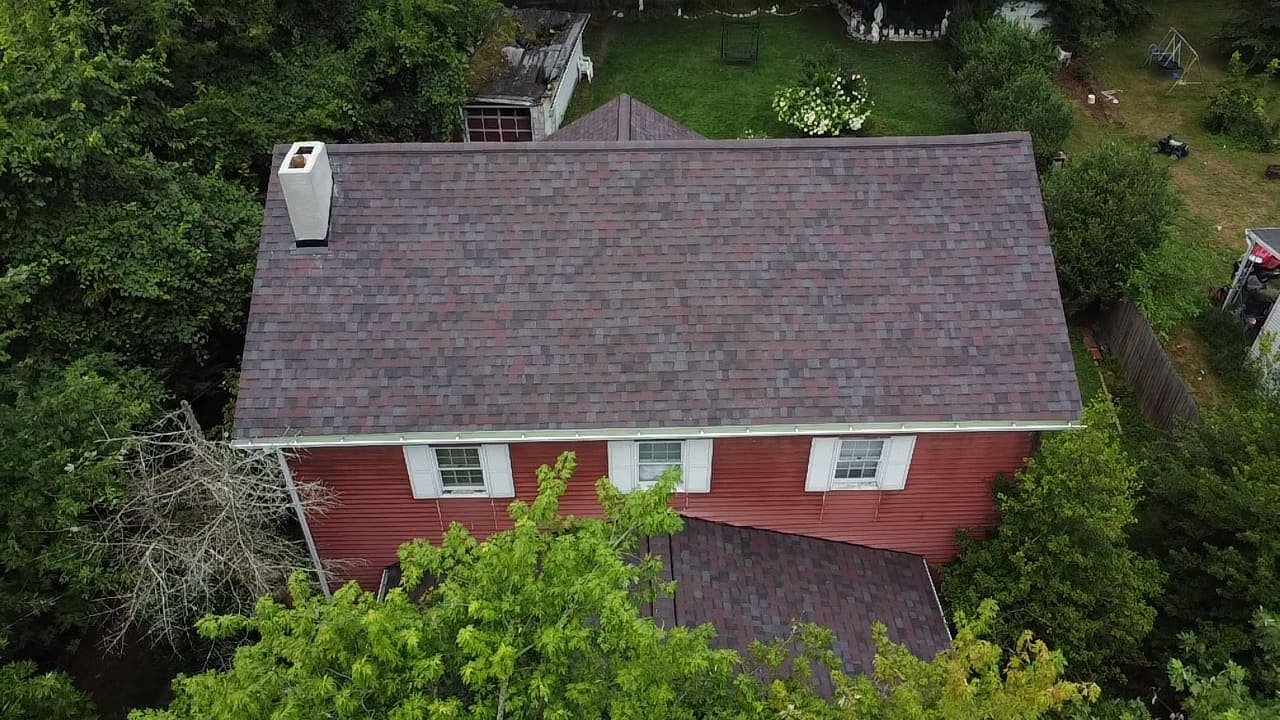
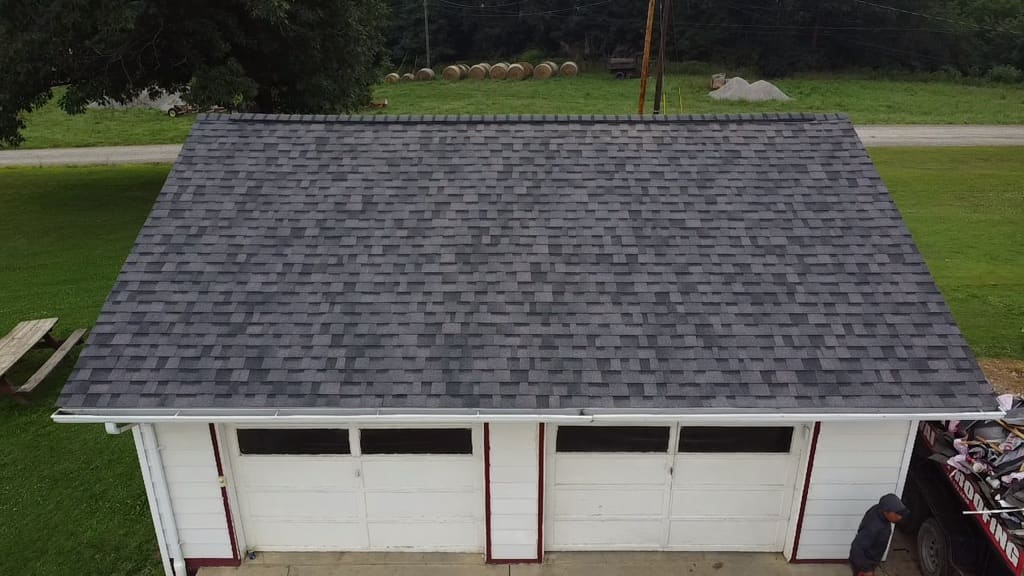
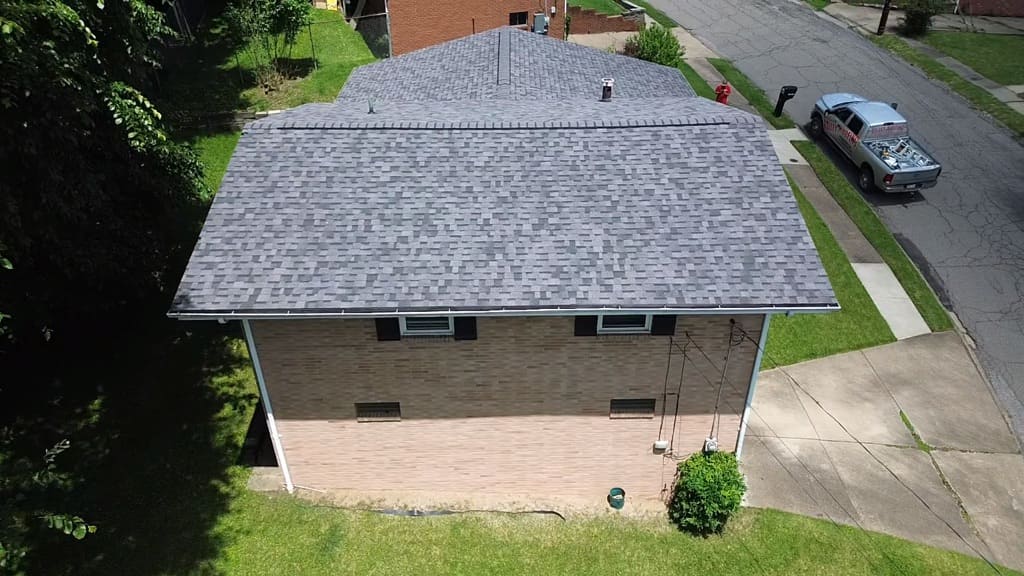
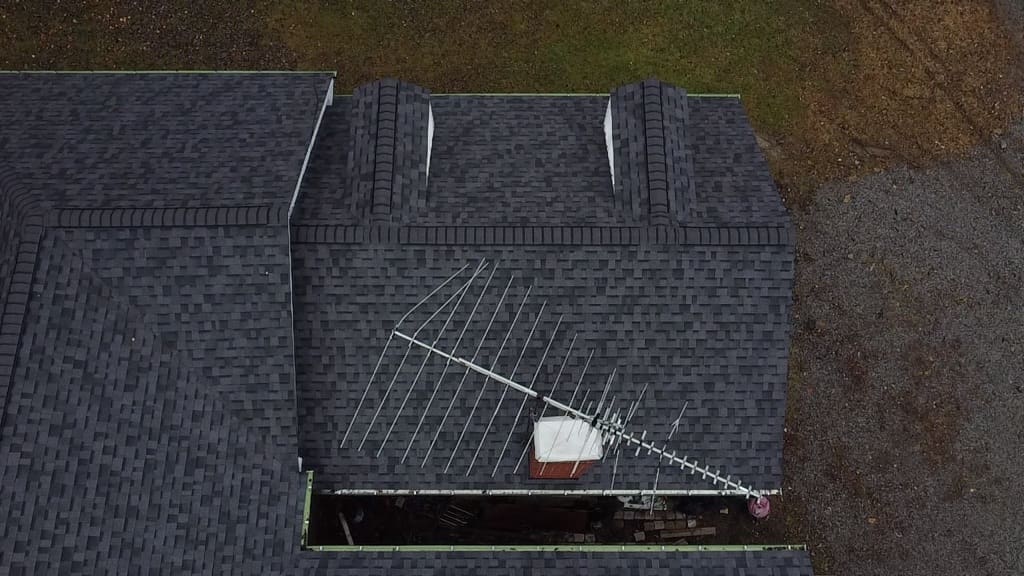
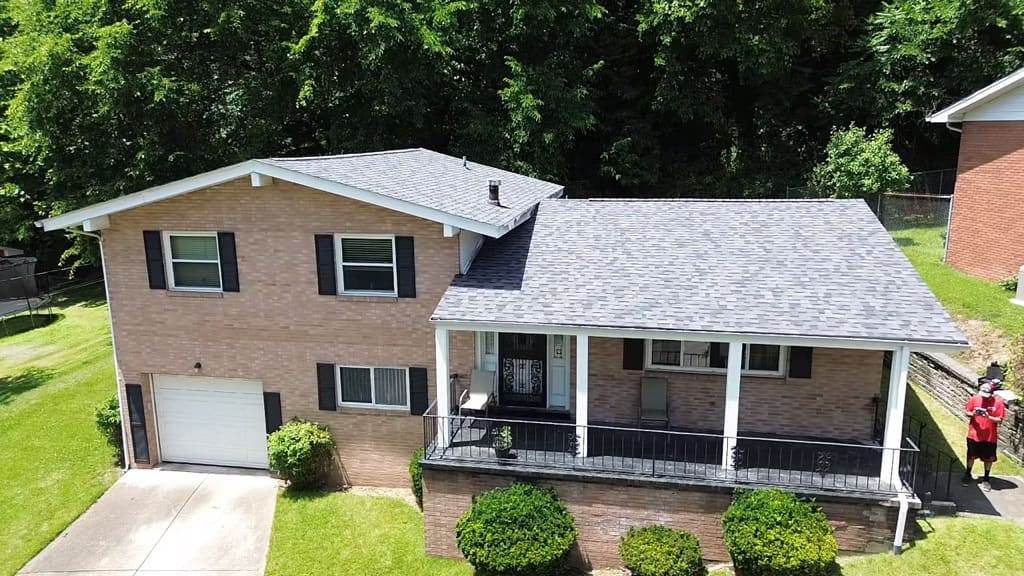
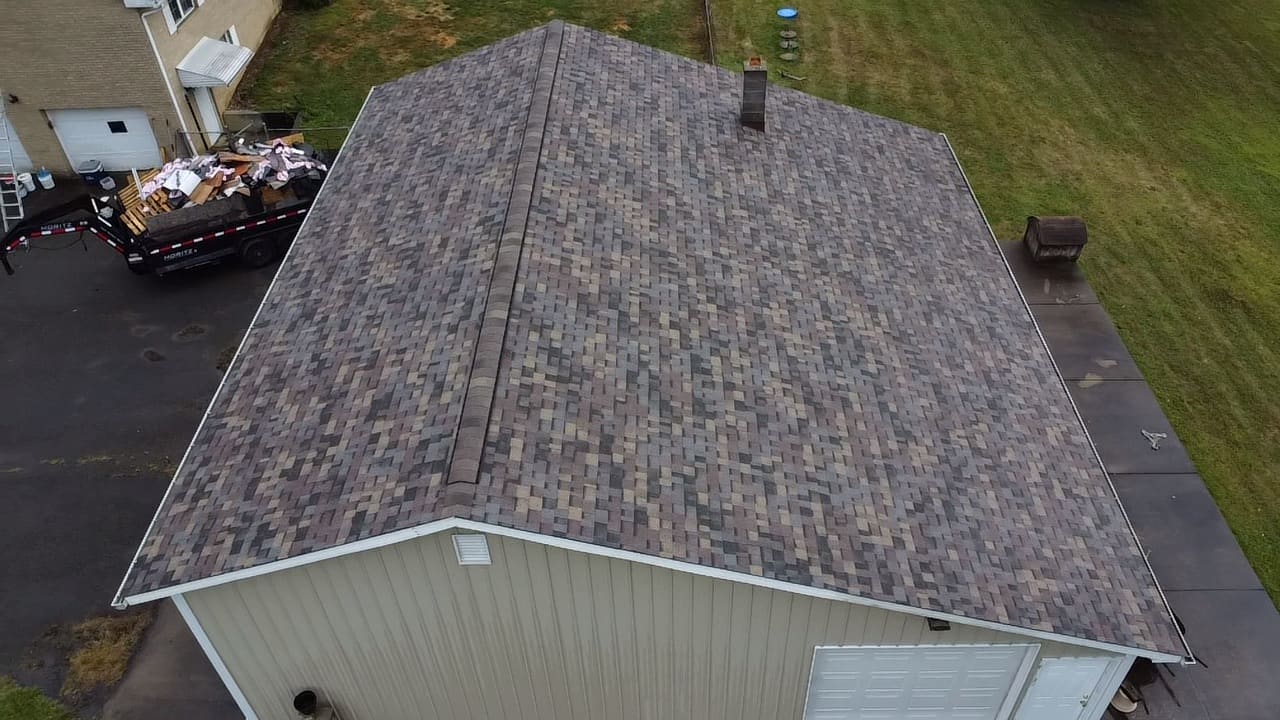
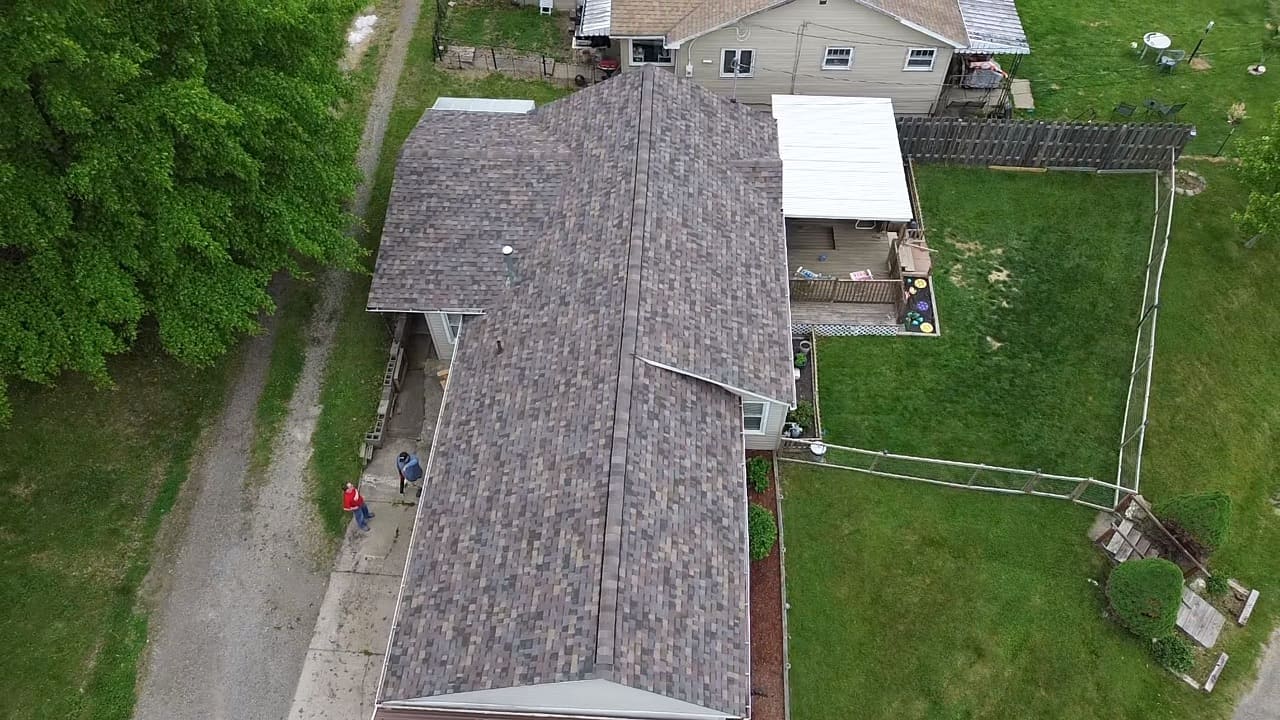
After that, the decision most people agonise over is colour — and it is the one that photographs worst on a sample board, which is why the albums below are real roofs in daylight rather than swatches.
What shingles do well
- They fit almost any house
- Steep or shallow, cut up with dormers and valleys or one long simple plane, shingles work on nearly every roof shape in the Valley. That is a large part of why they cover most homes here.
- Repairs are realistic
- Wind takes a few tabs off a corner, or a flashing fails around a chimney — that is often a repair rather than a replacement. Materials are stocked locally and a matched bundle is usually obtainable, which is not true of every roofing material.
- The colour range is genuinely wide
- Modern architectural lines come in blended colours that read differently in morning and evening light. A blend that looks busy on a one-foot sample usually calms down across a whole roof, and a flat colour that looks safe on a board can look stark — standing in front of a finished house is the only reliable way to judge it.
- Impact-resistant lines exist for a reason
- They are built to take a hailstone without bruising, and some insurers discount premiums for them. Whether the premium saving justifies the material cost depends on your carrier — worth one phone call before you decide.
Where they compromise
- They have the shortest service life of the common materials
- Metal and slate both outlast them. Manufacturers publish ratings, and a well-ventilated roof installed to spec tends to reach them, but heat, poor attic airflow and a hot south-facing slope all pull the other way. Anyone who gives you an exact number for your house is guessing.
- Shade and damp show on them
- North-facing slopes that stay wet through the morning streak with algae, and it happens sooner in the river towns than up on the ridges. It is cosmetic rather than structural, and algae-resistant shingles slow it down, but it is worth knowing before you pick a light colour.
- Hail leaves marks you cannot always see
- A hailstone can bruise the mat without breaking the surface, and the damage only shows up as a leak years later. After a significant storm an inspection is worth more than a look from the driveway.
- Colours are discontinued
- Manufacturers retire and reformulate lines. If a repair happens years from now, an exact match is not guaranteed, and a dye lot can differ even within a current colour. Keeping a few spare bundles in the garage is cheap insurance.
Read that list again and you will notice something: almost none of it is the shingle. What separates a roof that reaches its rated life from one that does not is the condition of the decking underneath, whether the attic breathes, and whether the flashing at every edge and penetration was done properly rather than sealed over. Those are the things we check before we quote a number, and they are the reason we will sometimes tell you your roof has years left in it.
Get a free roof inspection →Owens Corning Colors
Shingle colors we've installed
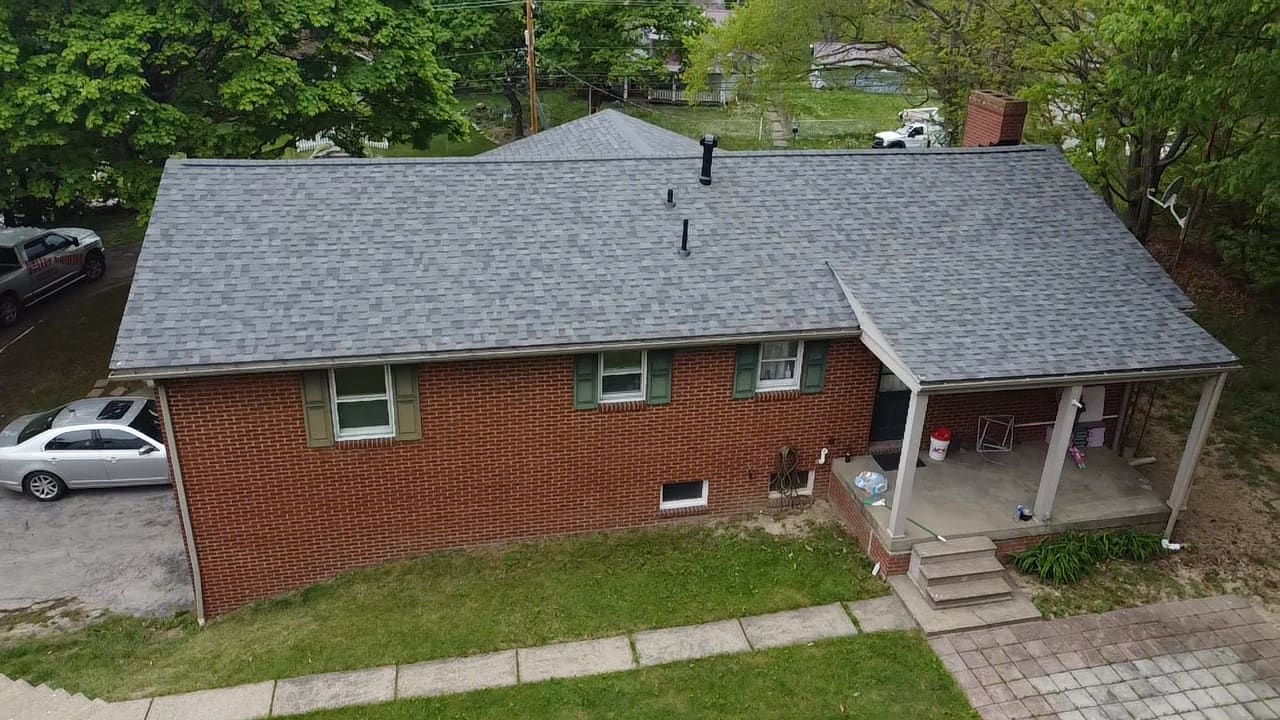
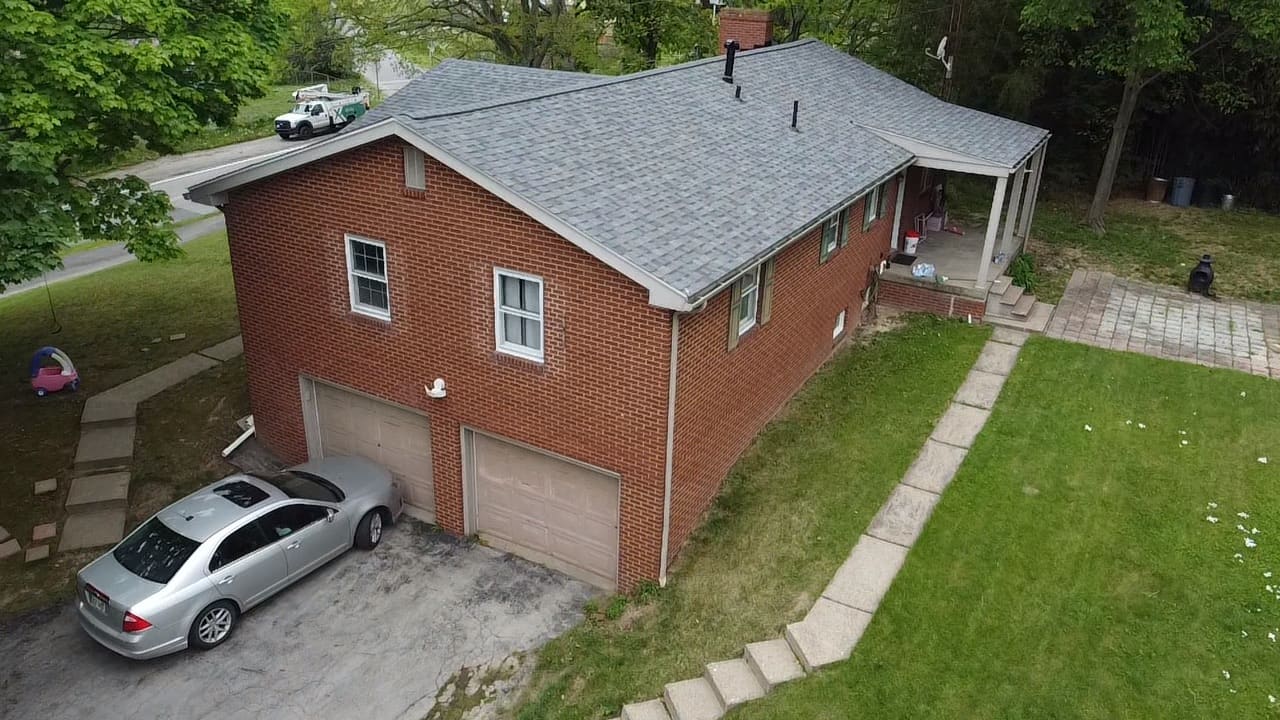
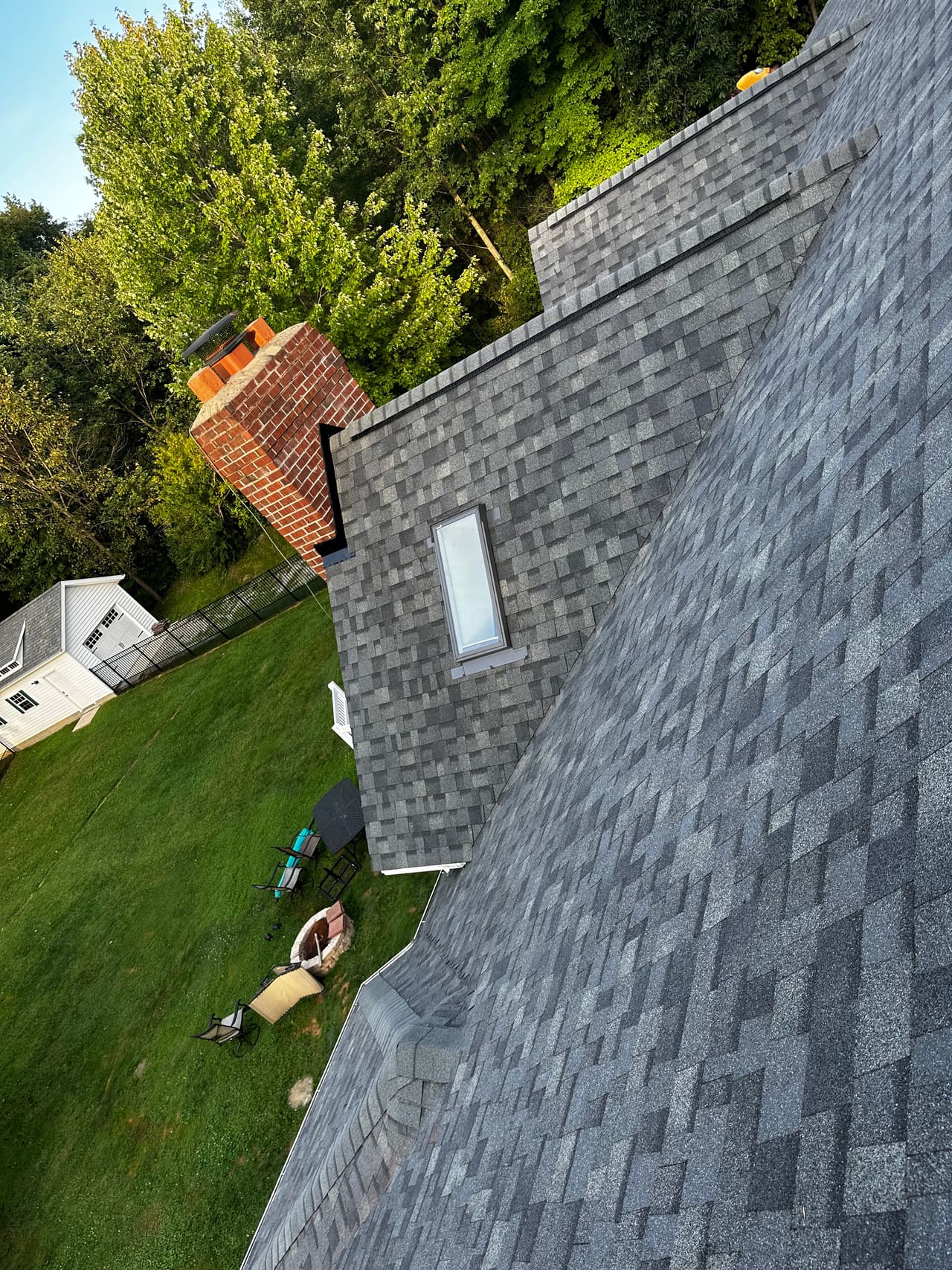
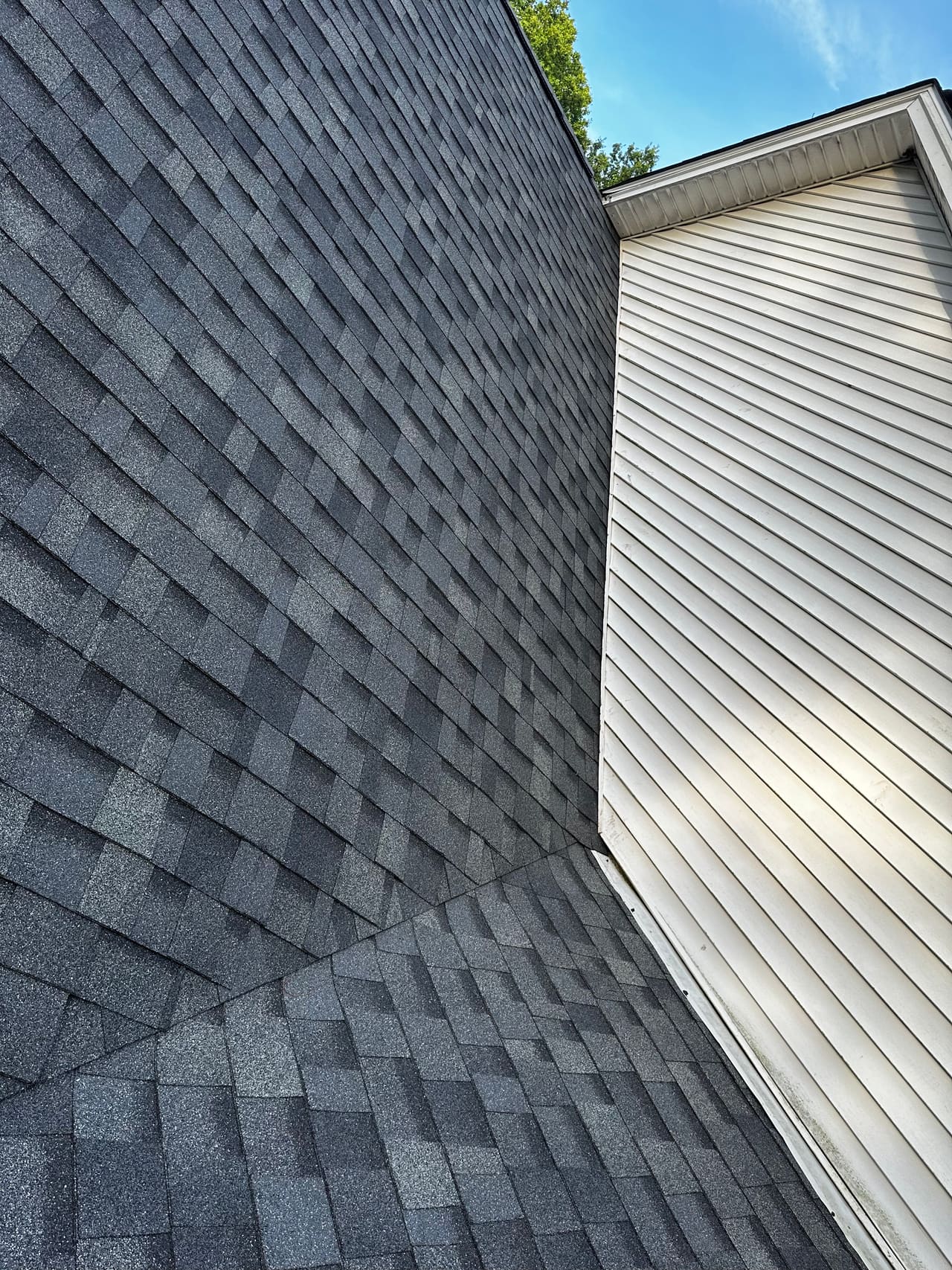
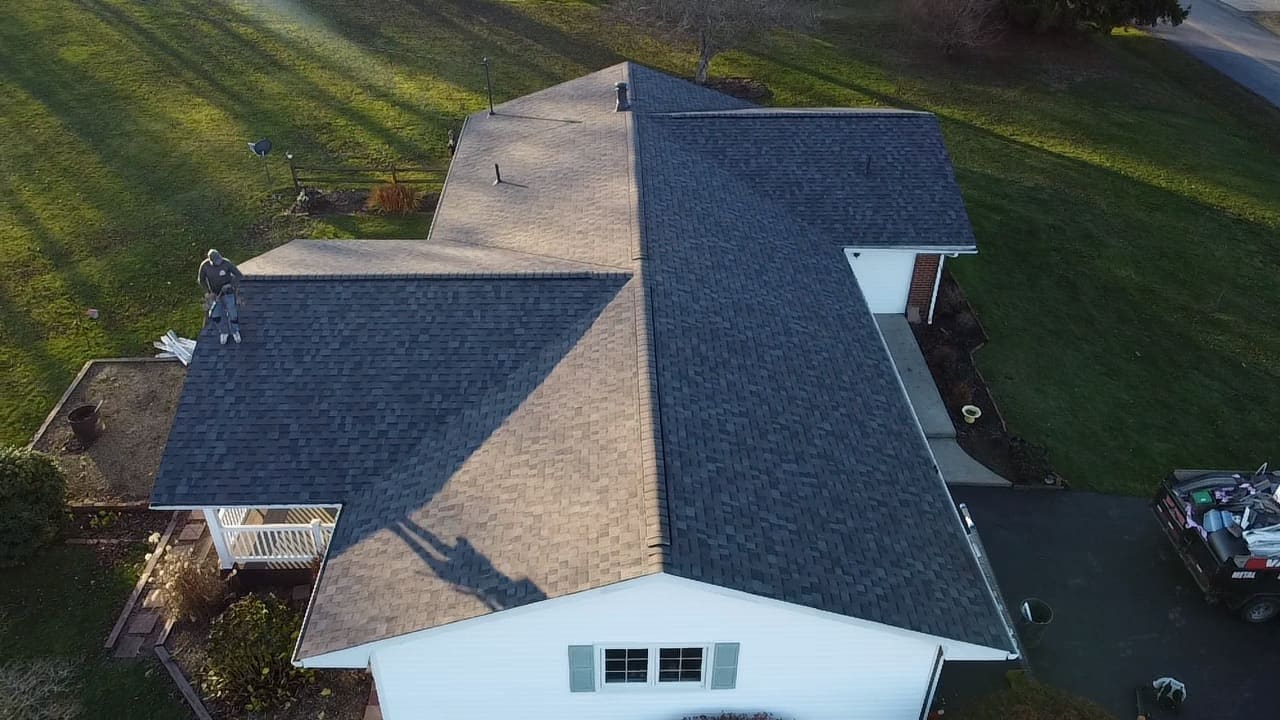
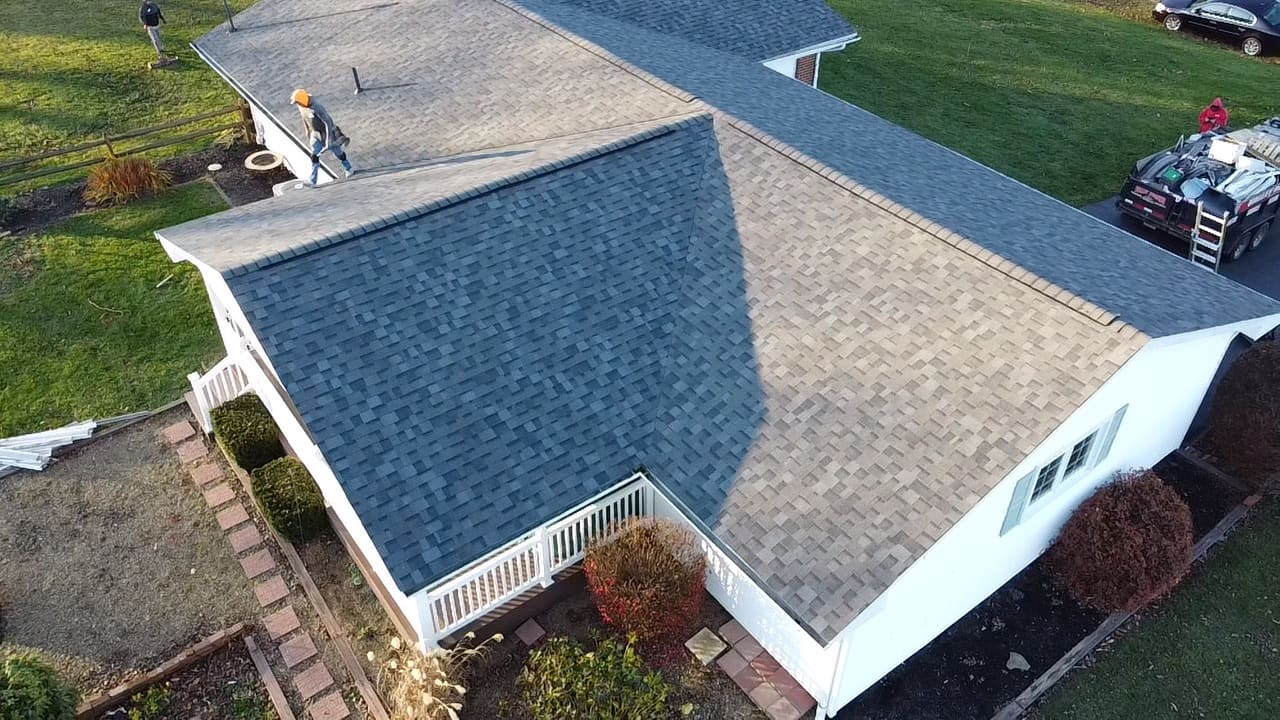
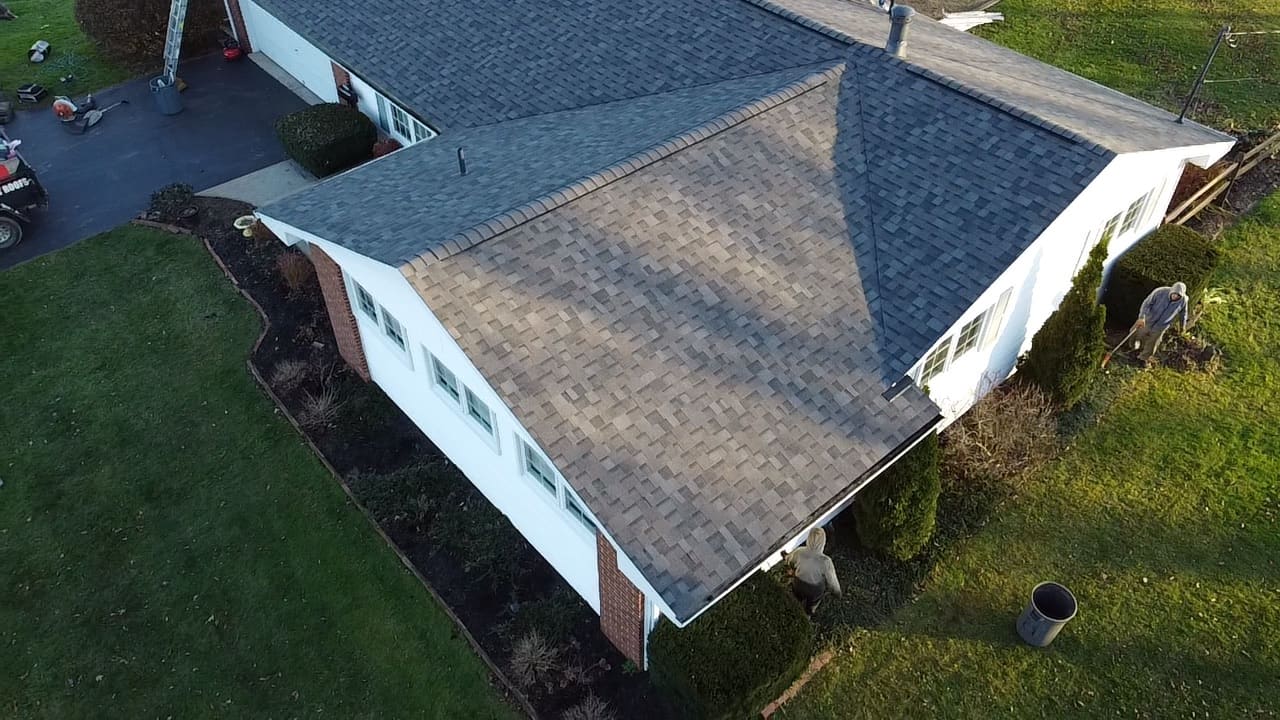
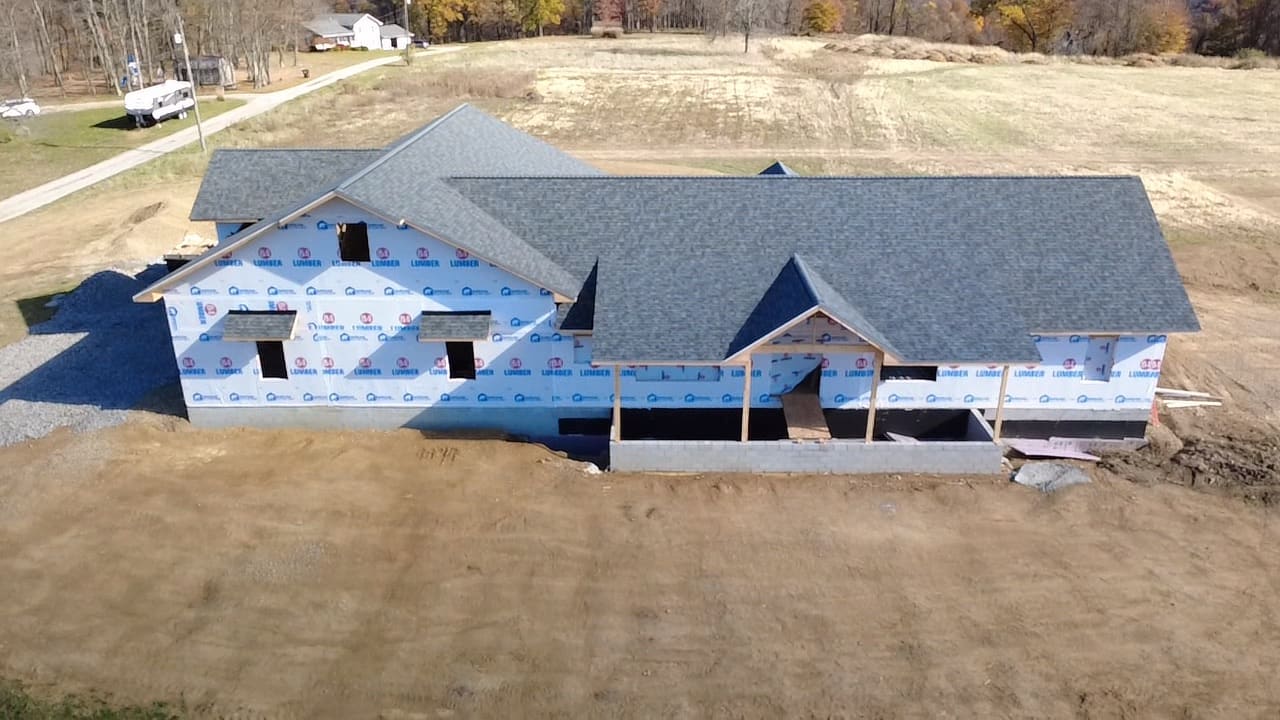
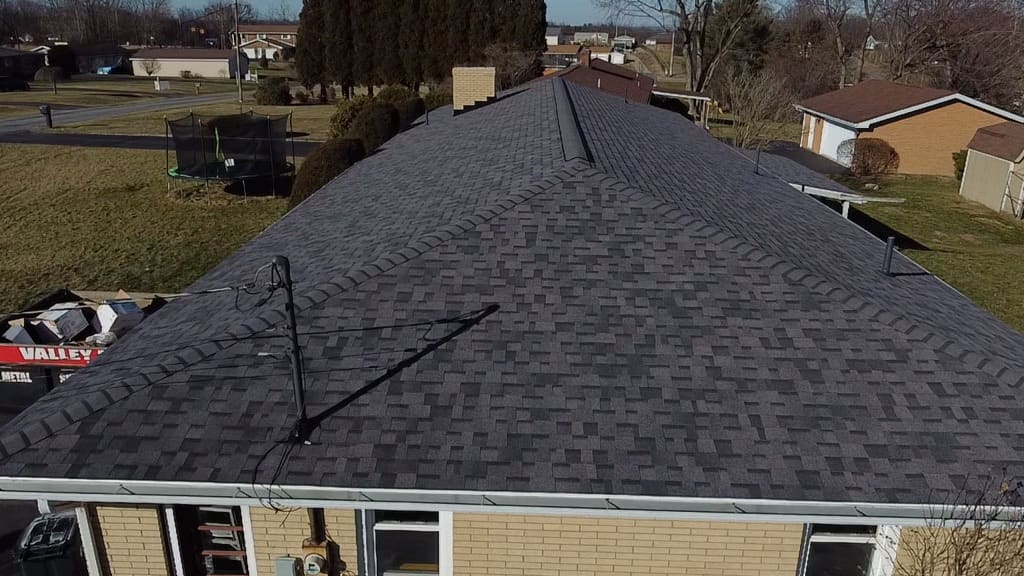
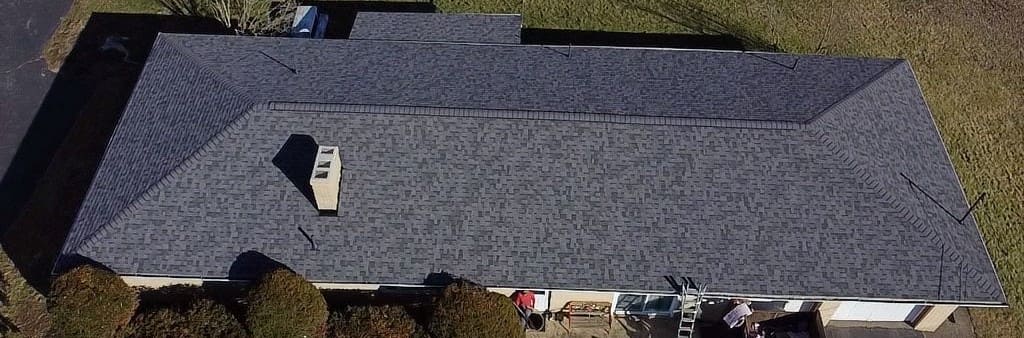
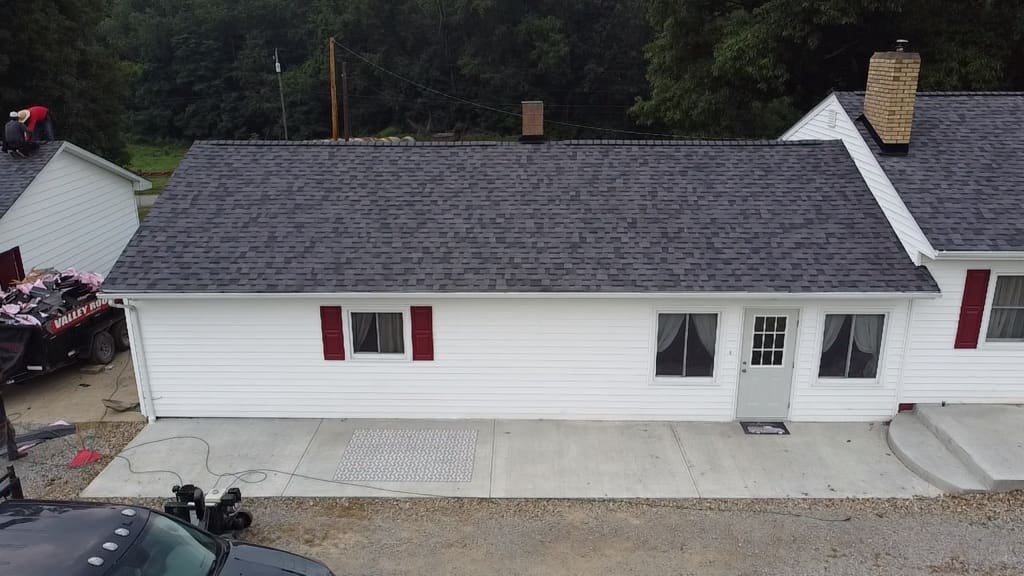
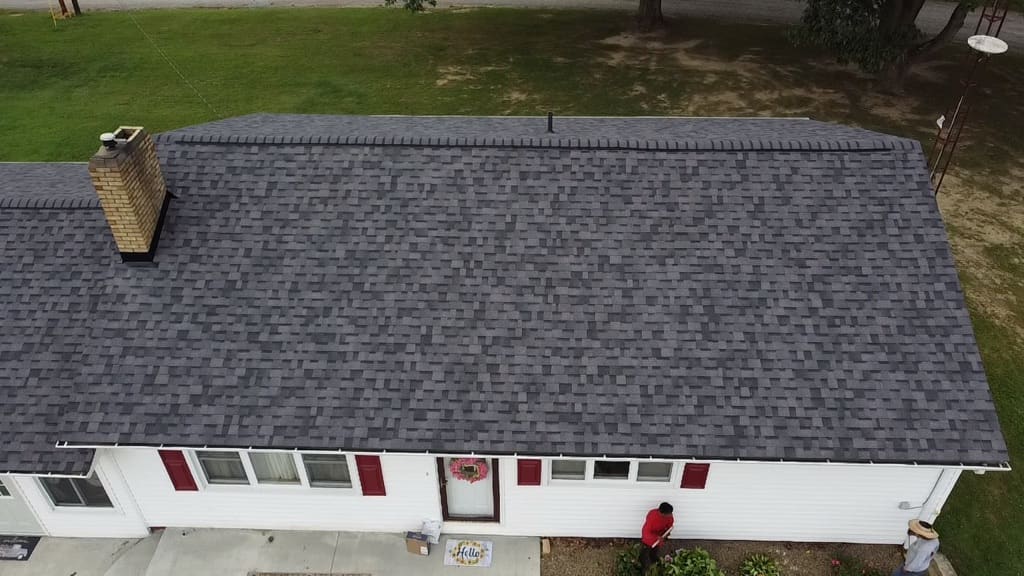
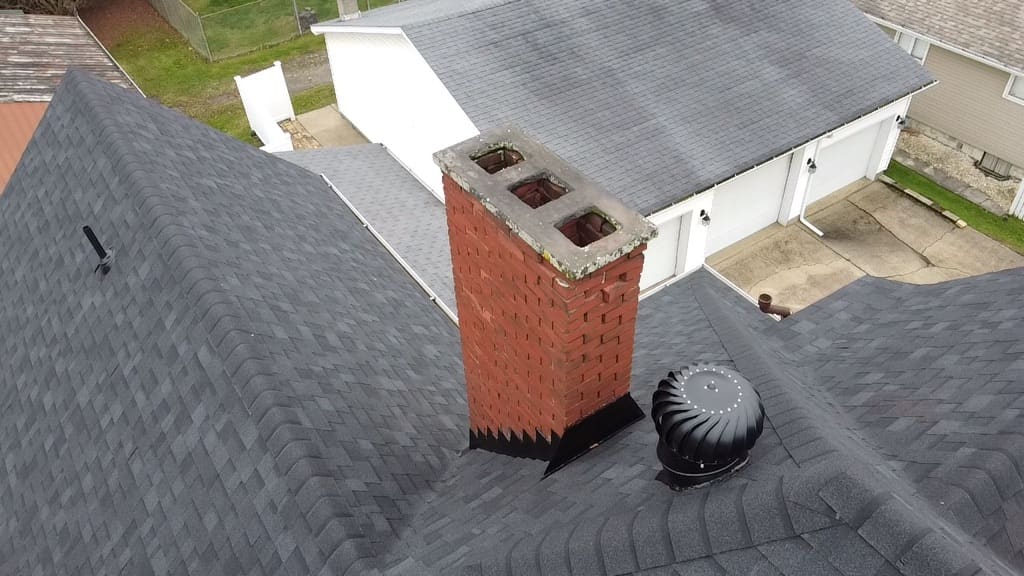
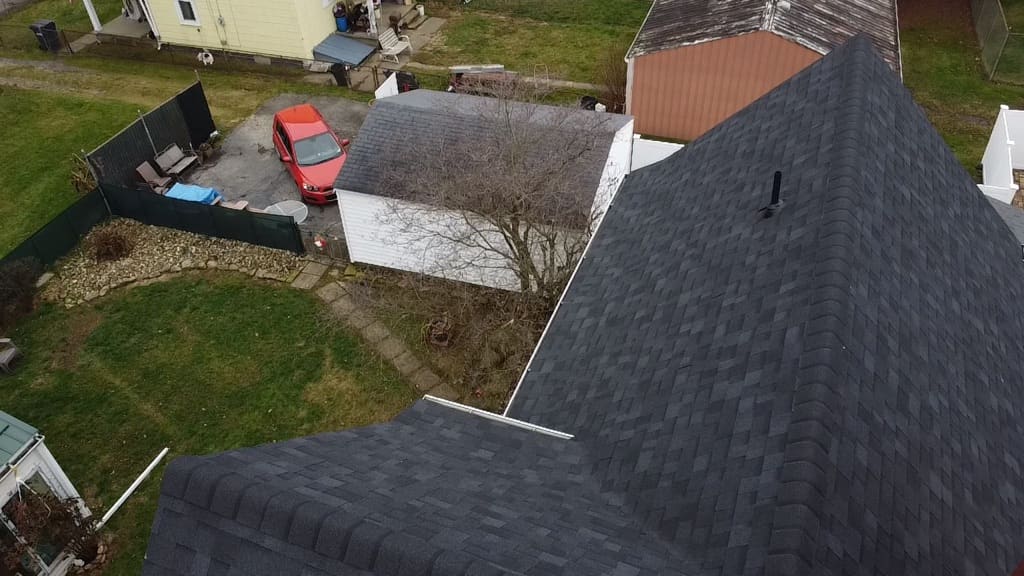
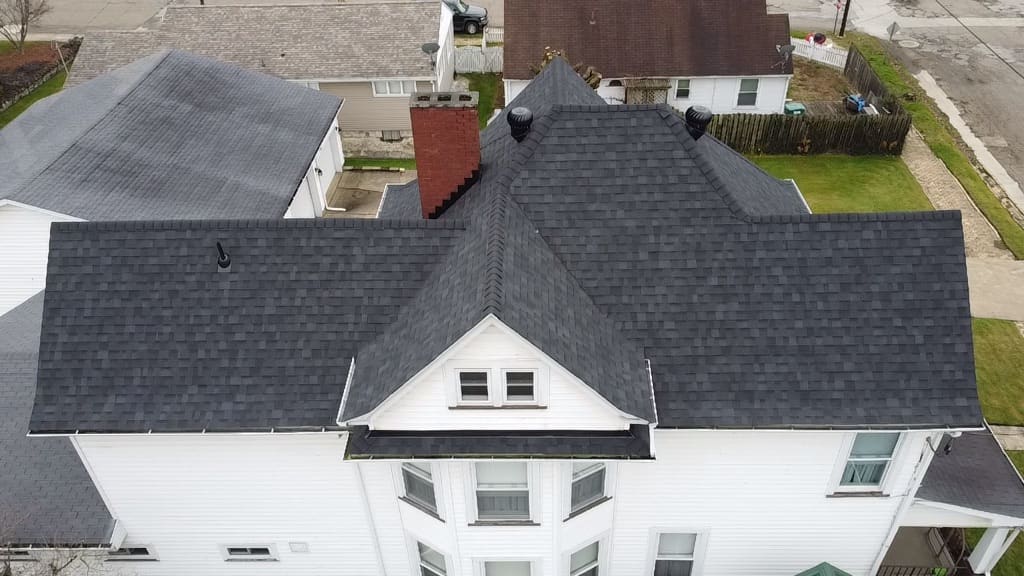
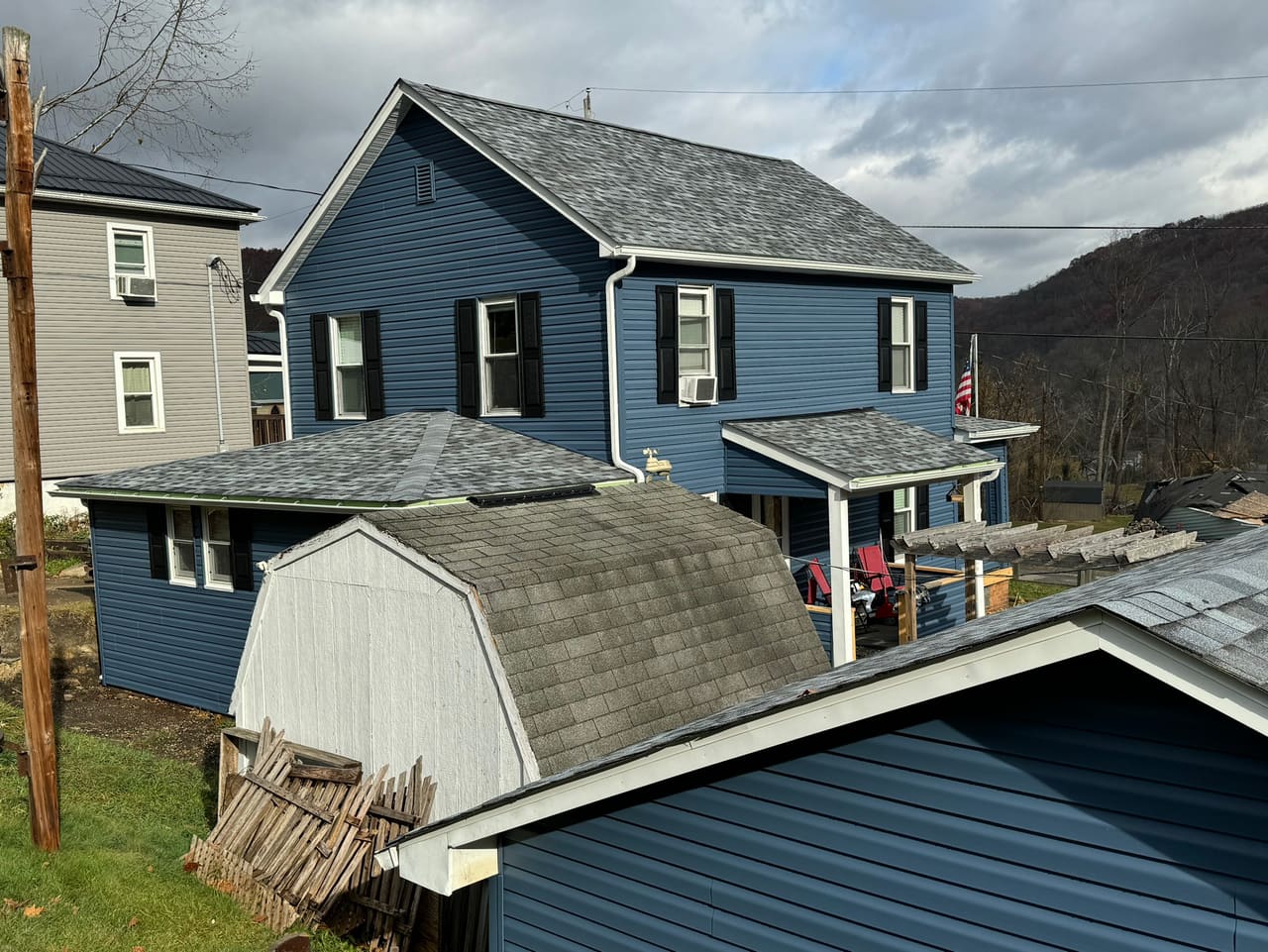
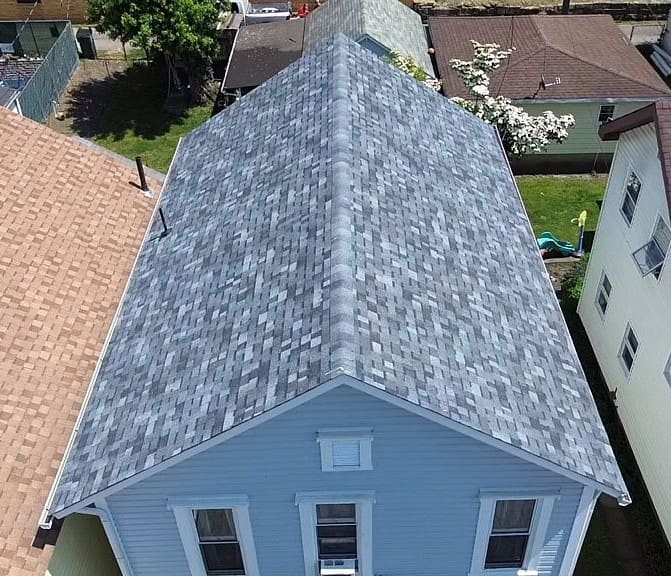
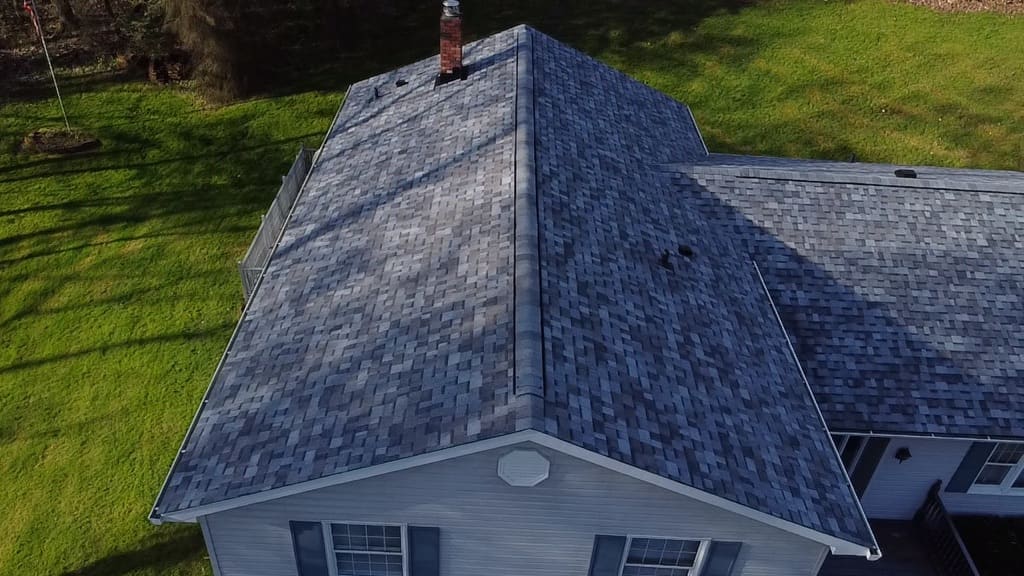
Color is the decision homeowners agonise over most, so every photo here is a real AMG roof in daylight rather than a manufacturer swatch.
16 colors, every one of them a roof we have actually installed. Pick a color to see the homes.
Aged Copper2 roofs 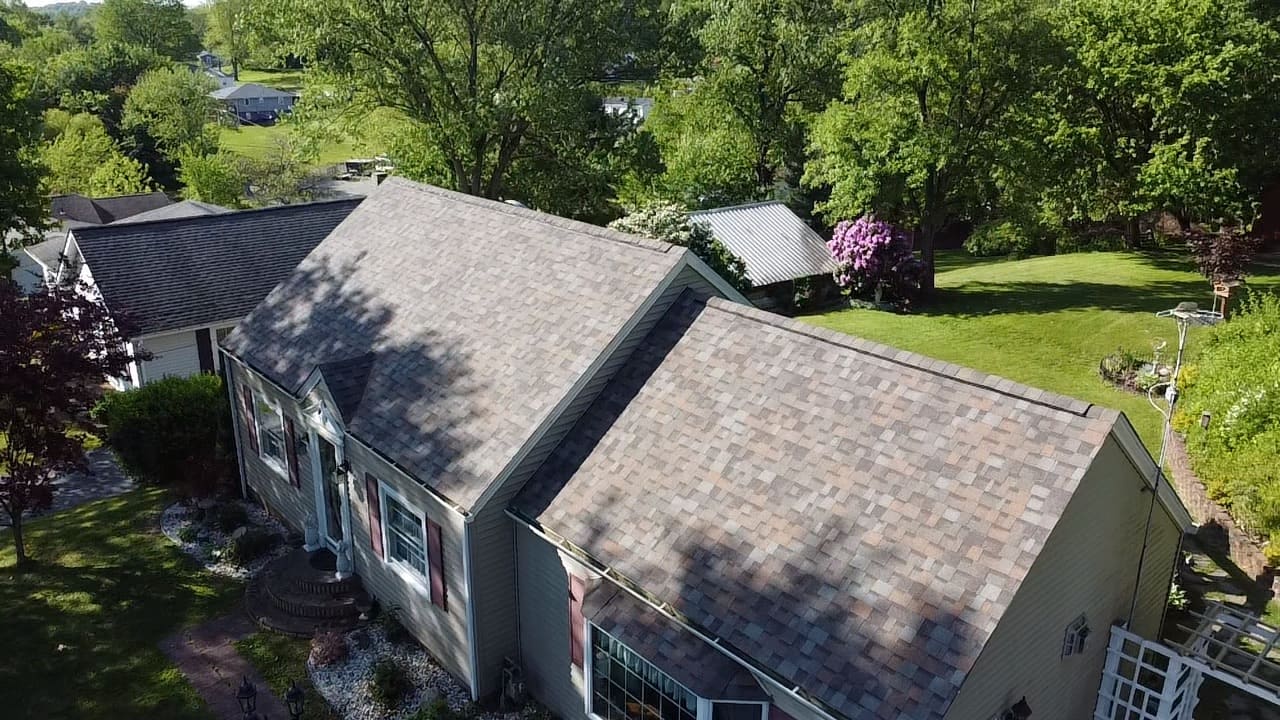
Black Sable7 roofs 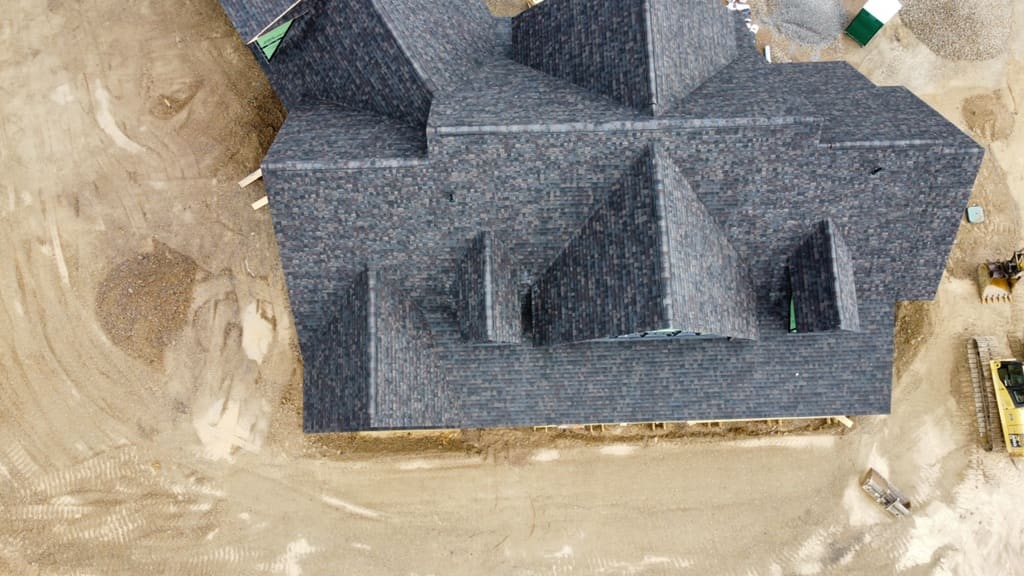
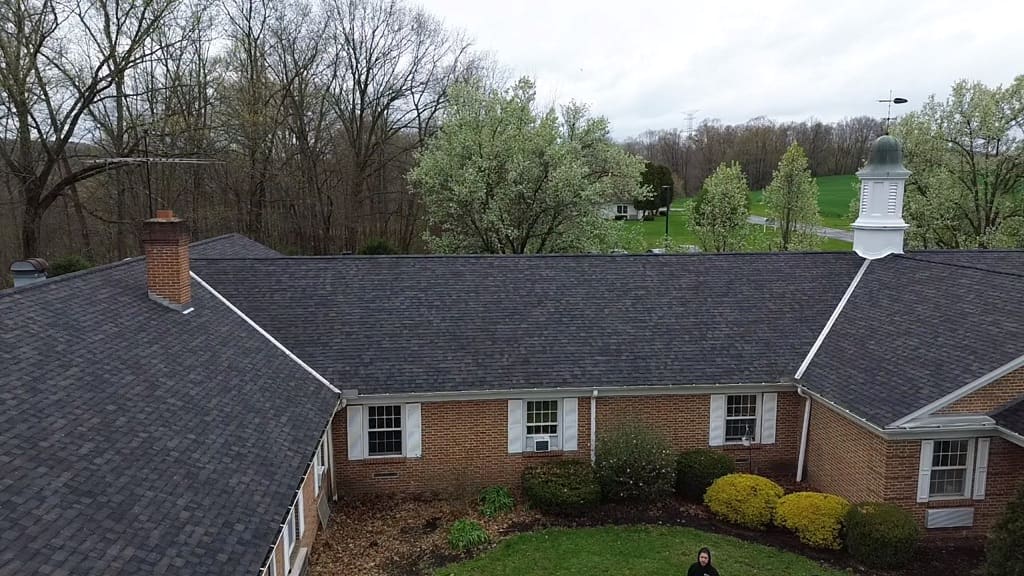
Bourbon4 roofs 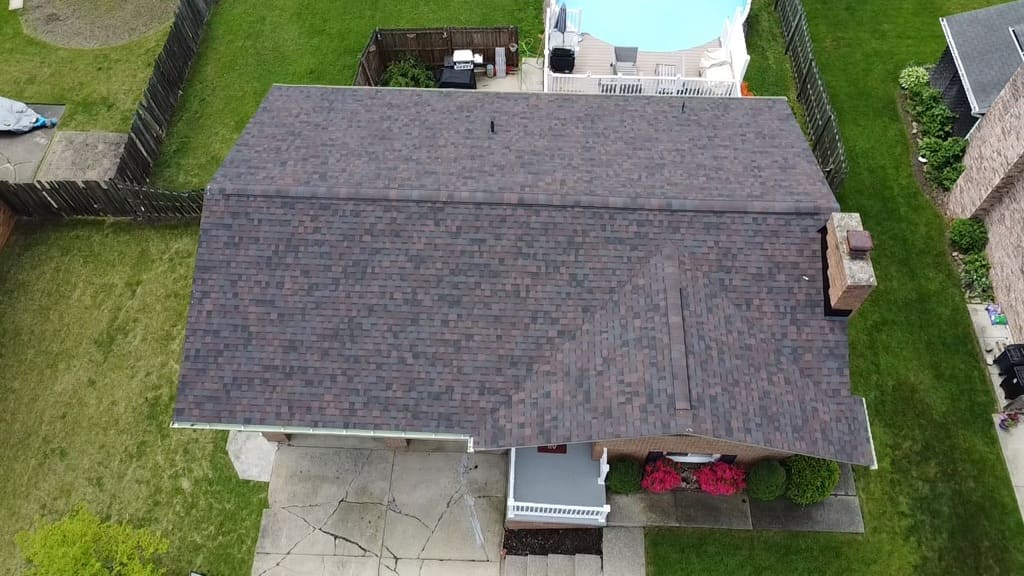
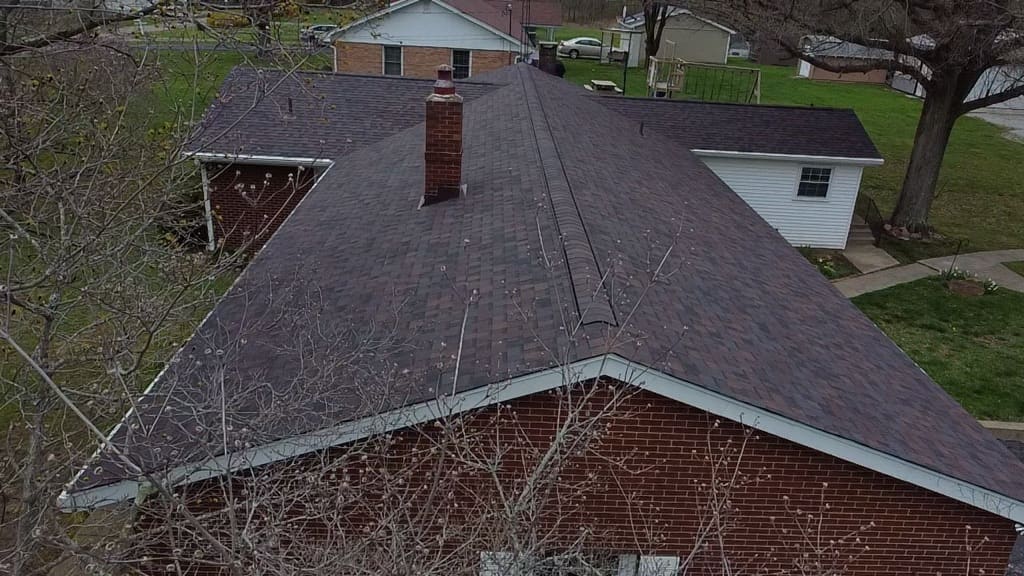
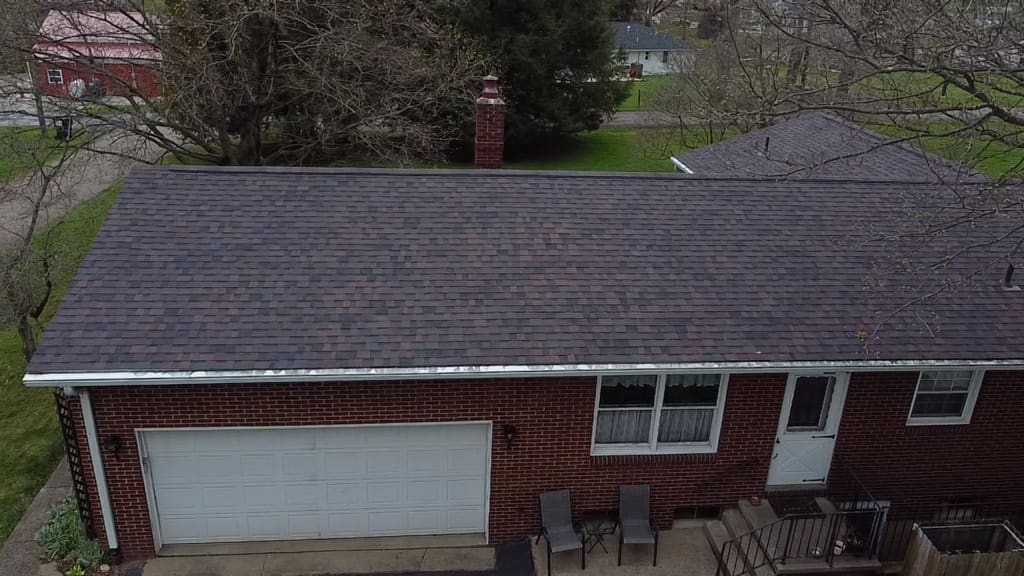
Brownwood7 roofs 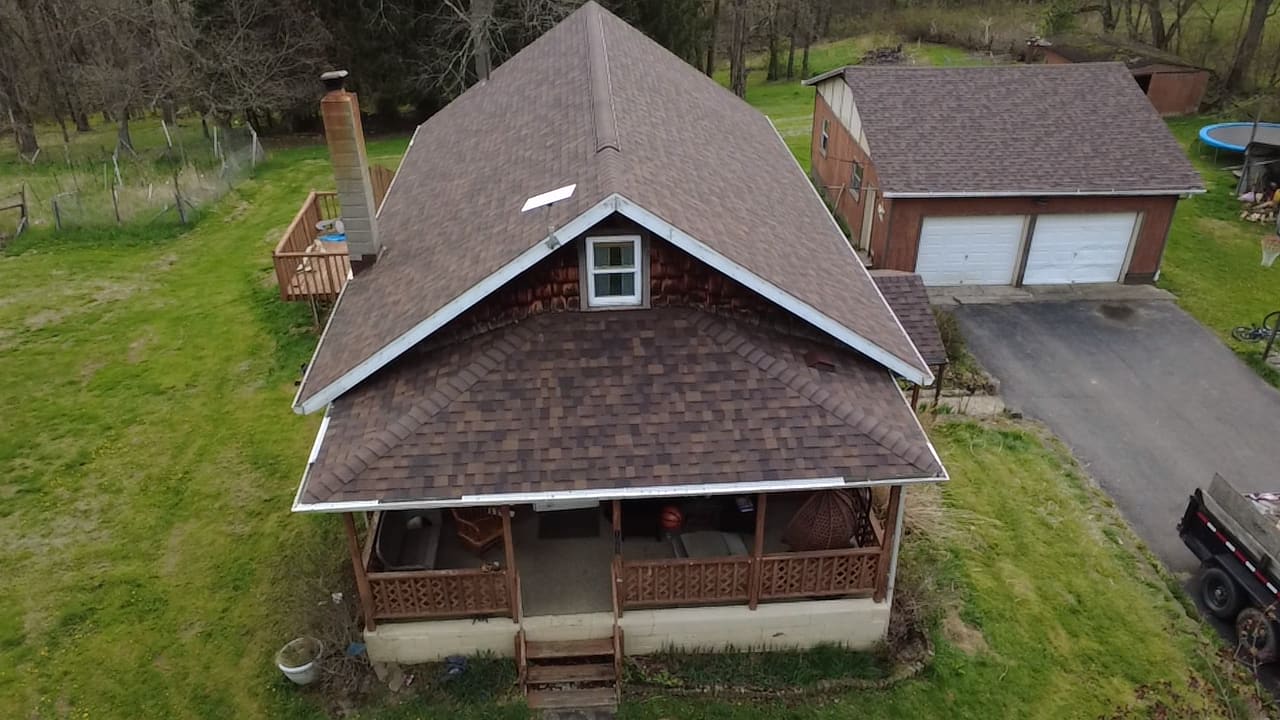
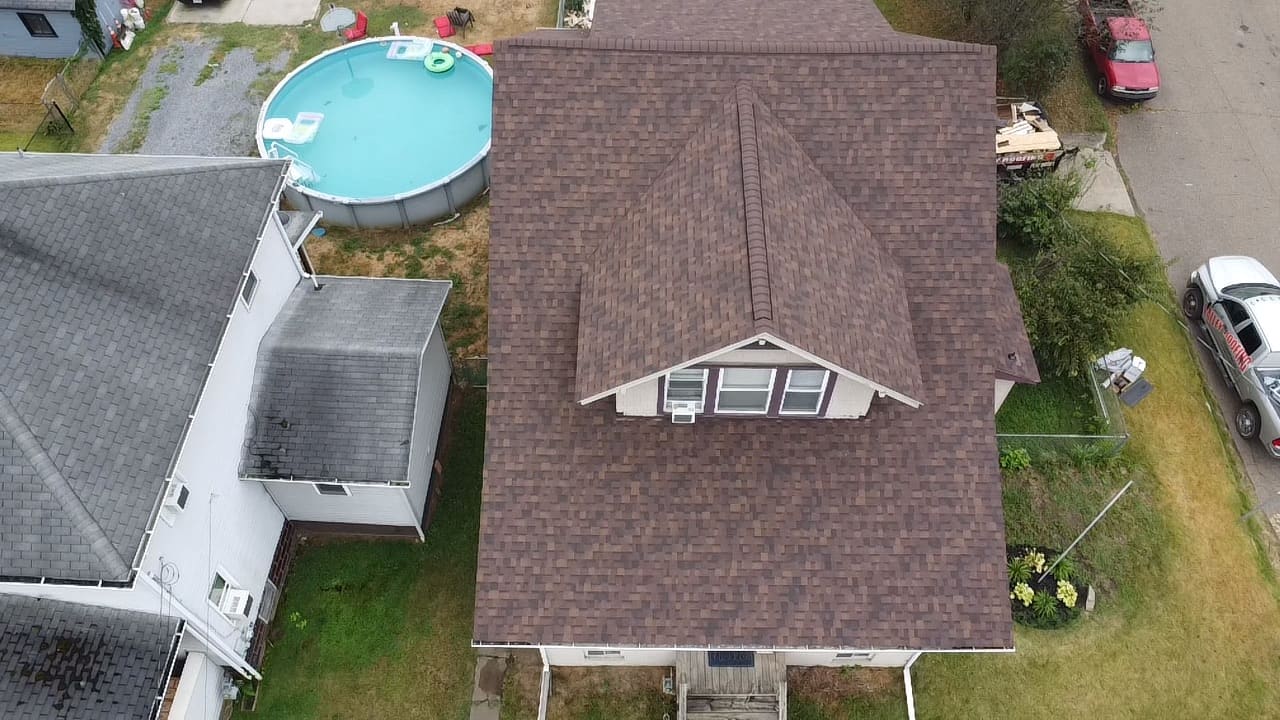
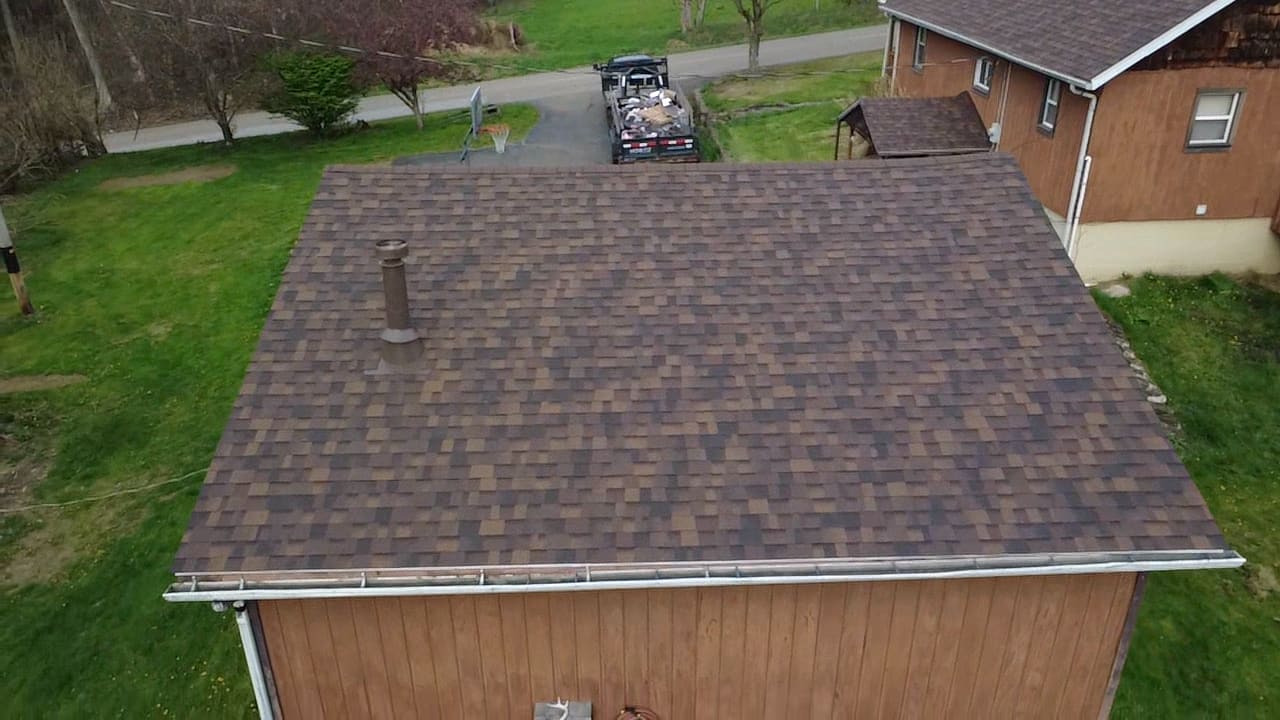
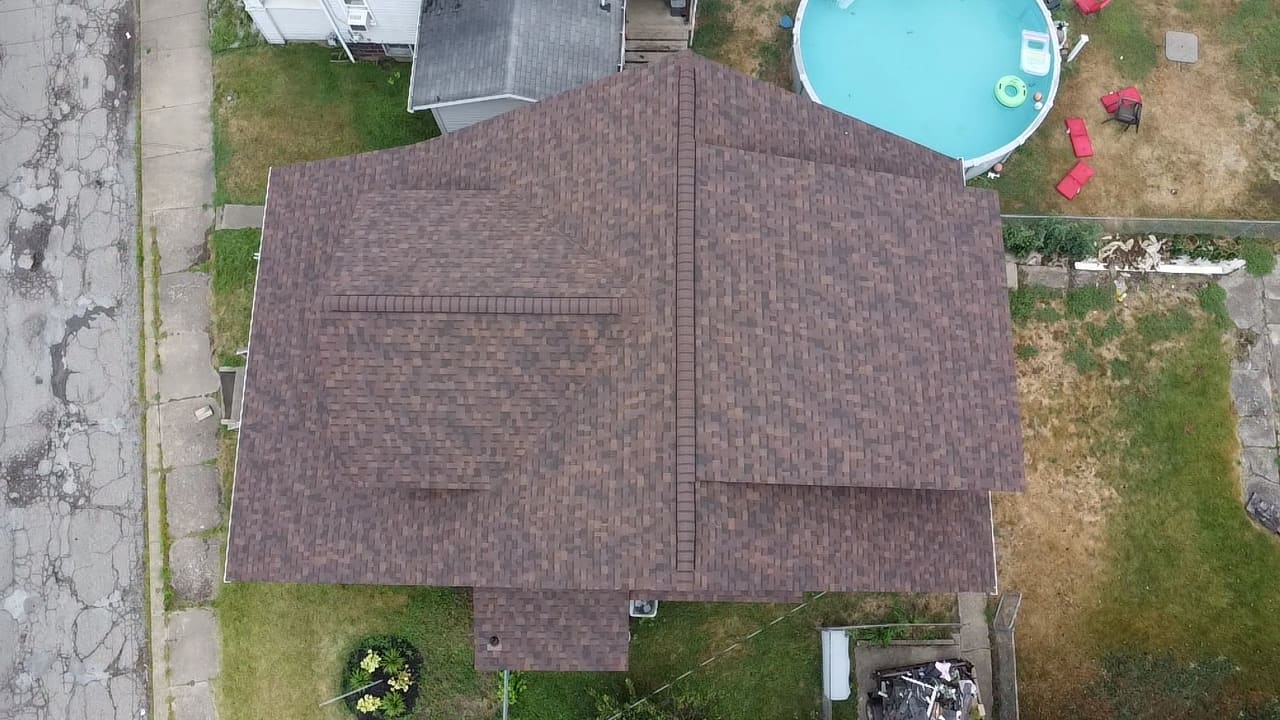
Desert Rose6 roofs 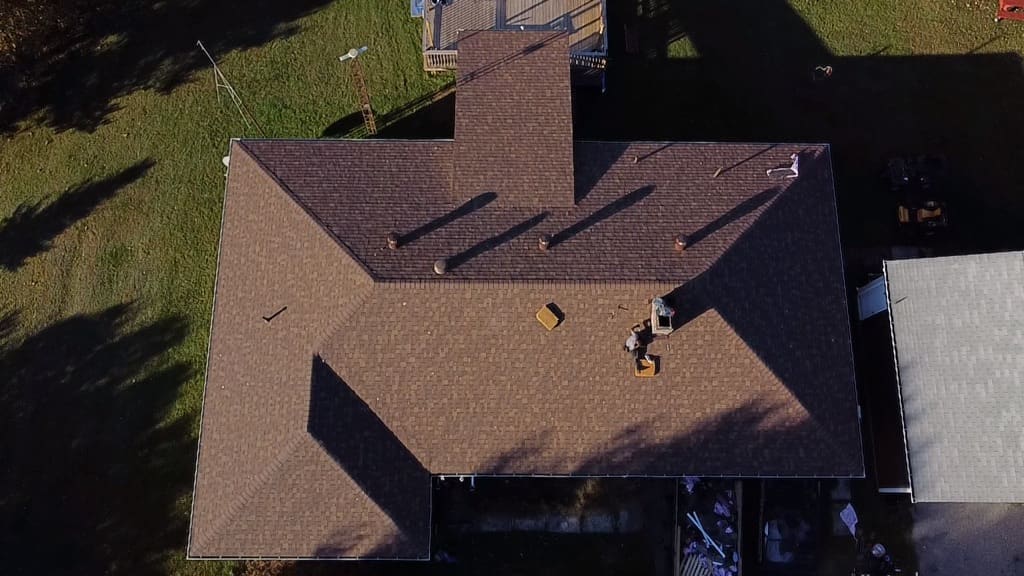
Driftwood10 roofs 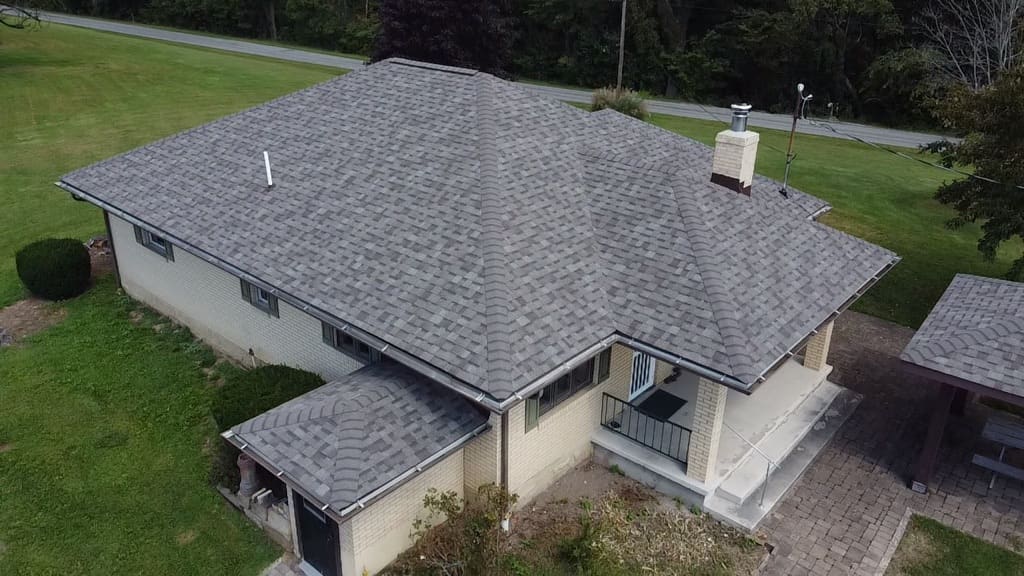
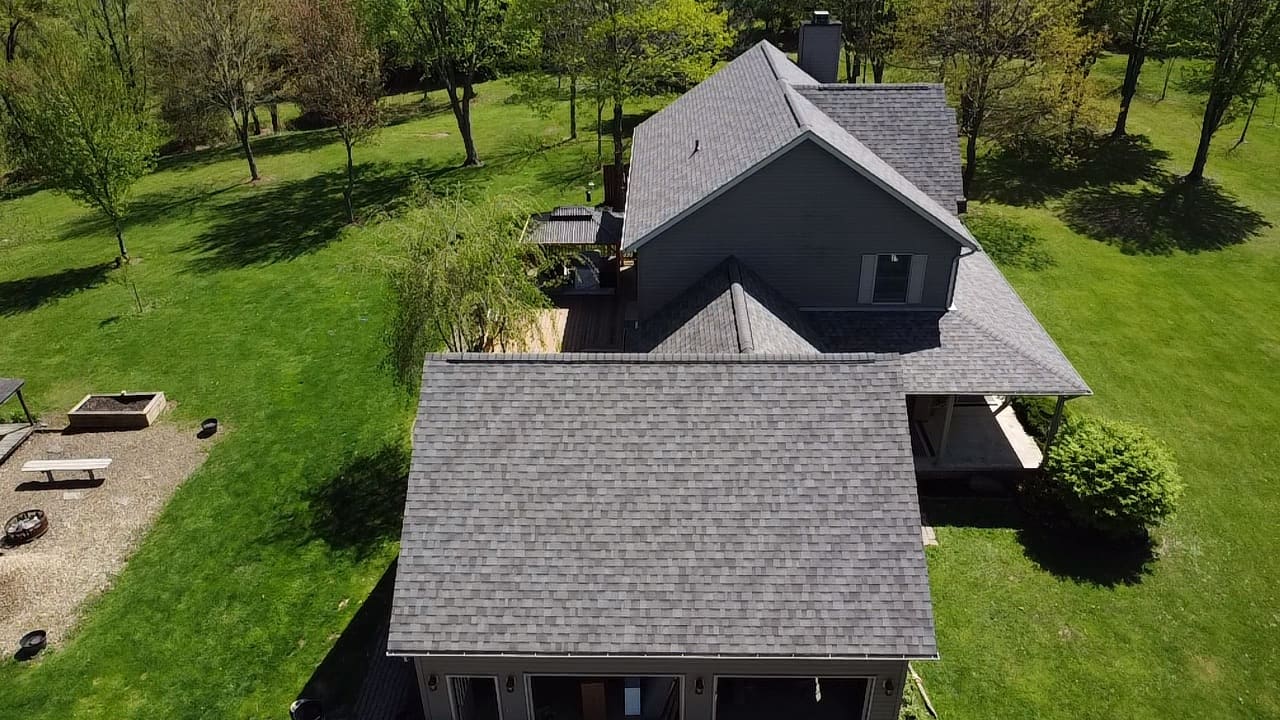
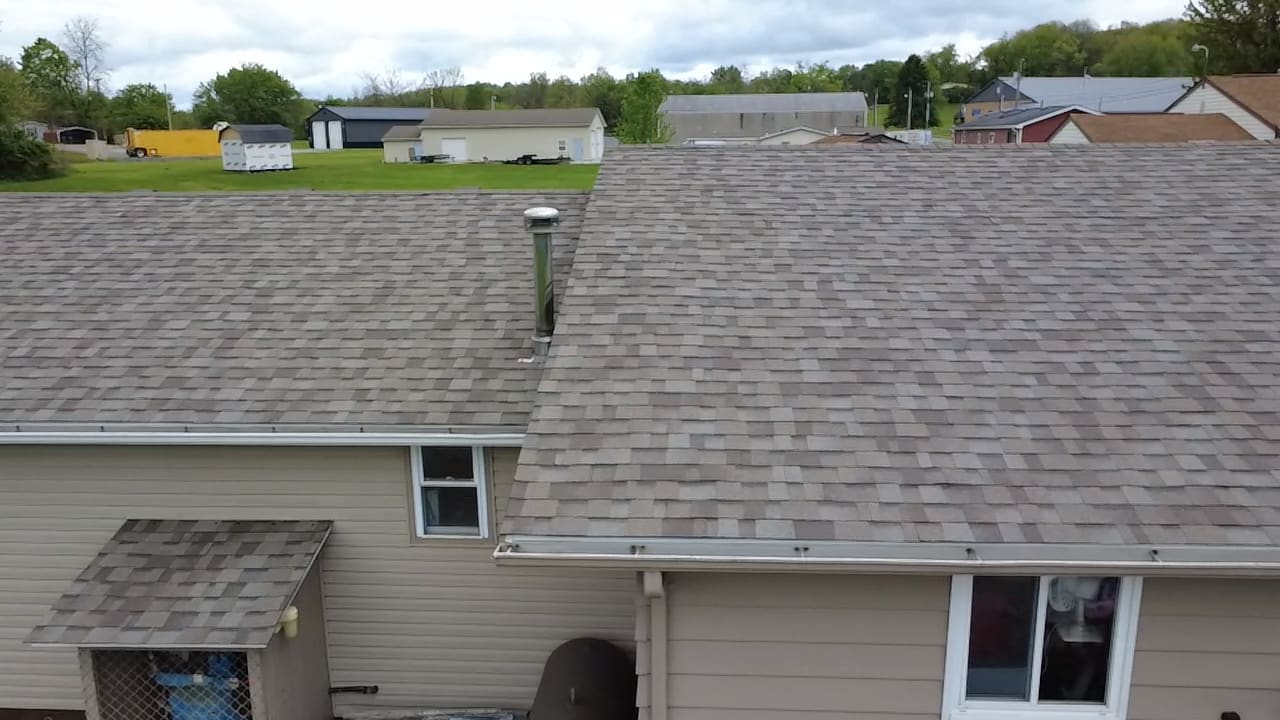
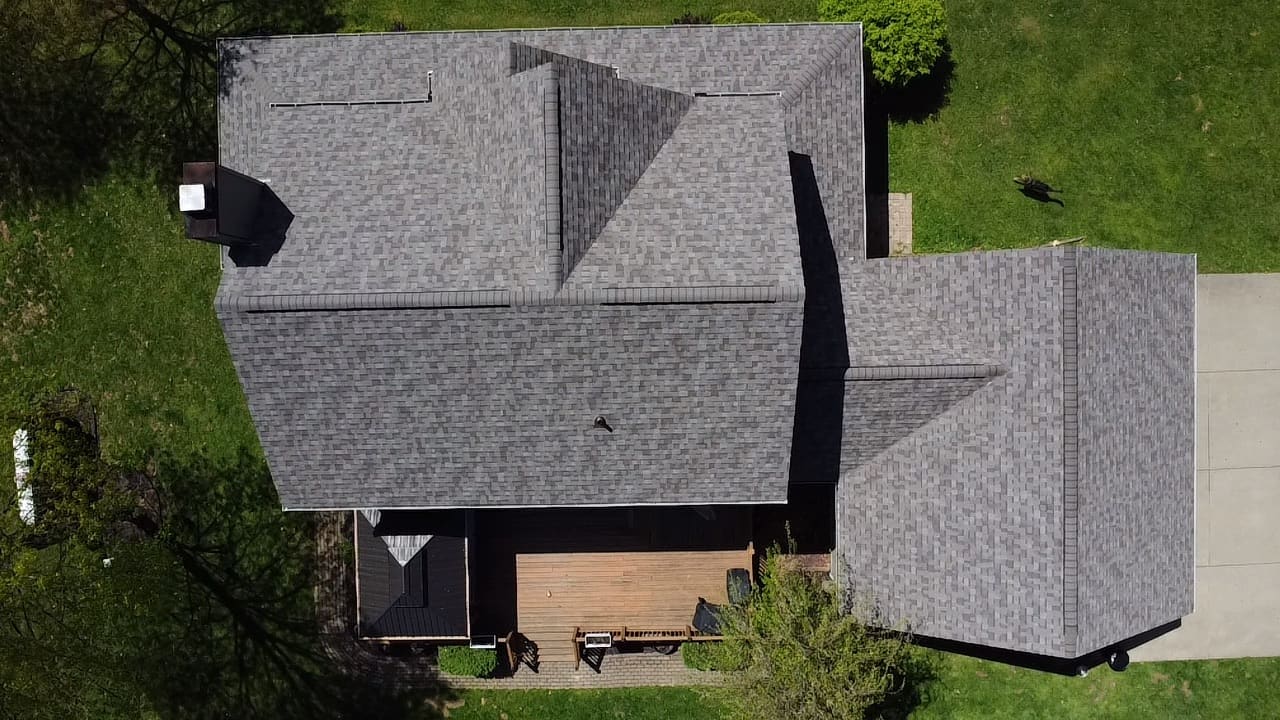
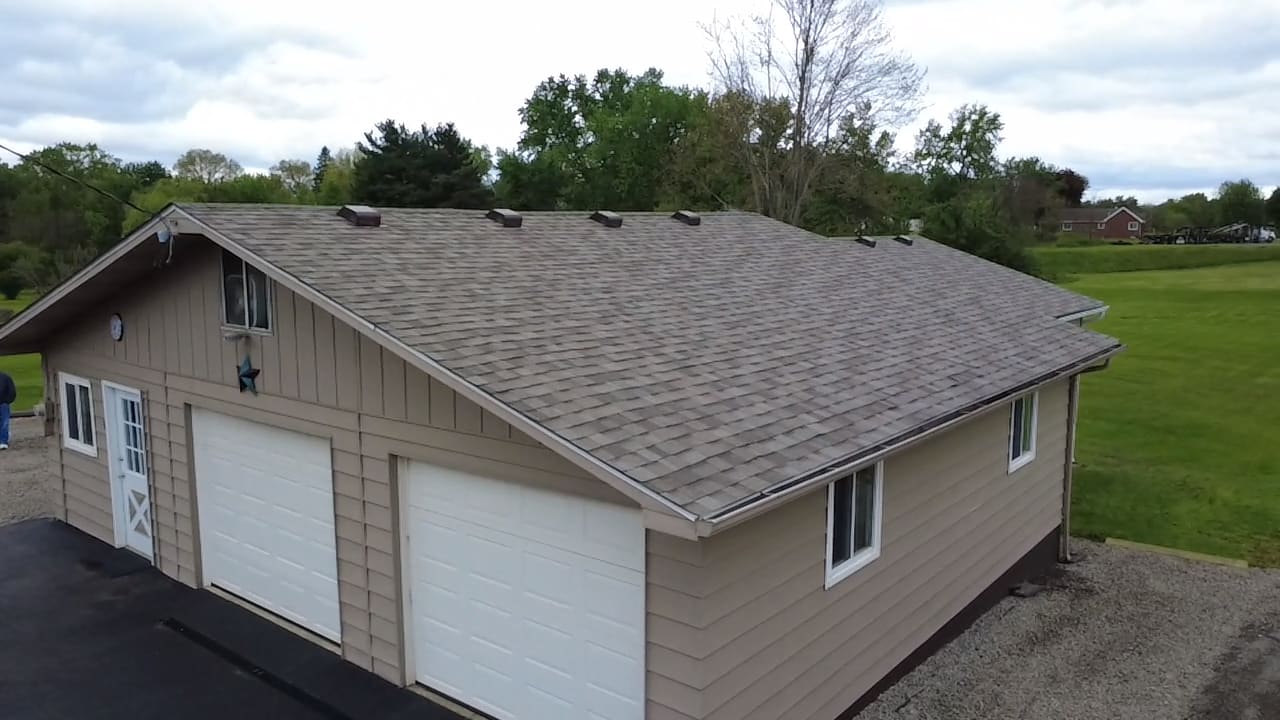
Estate Gray9 roofs 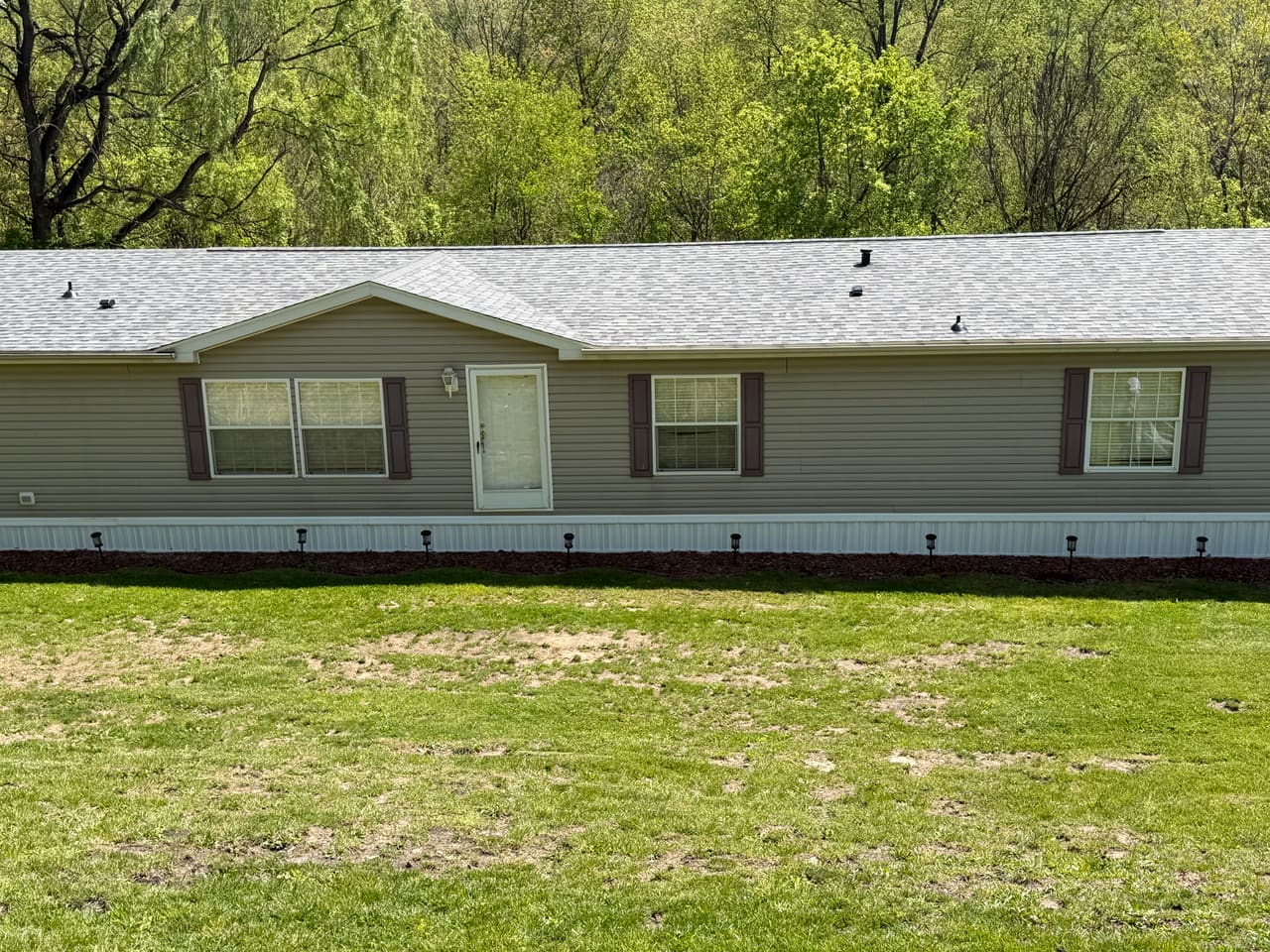
Evergreen Mist5 roofs 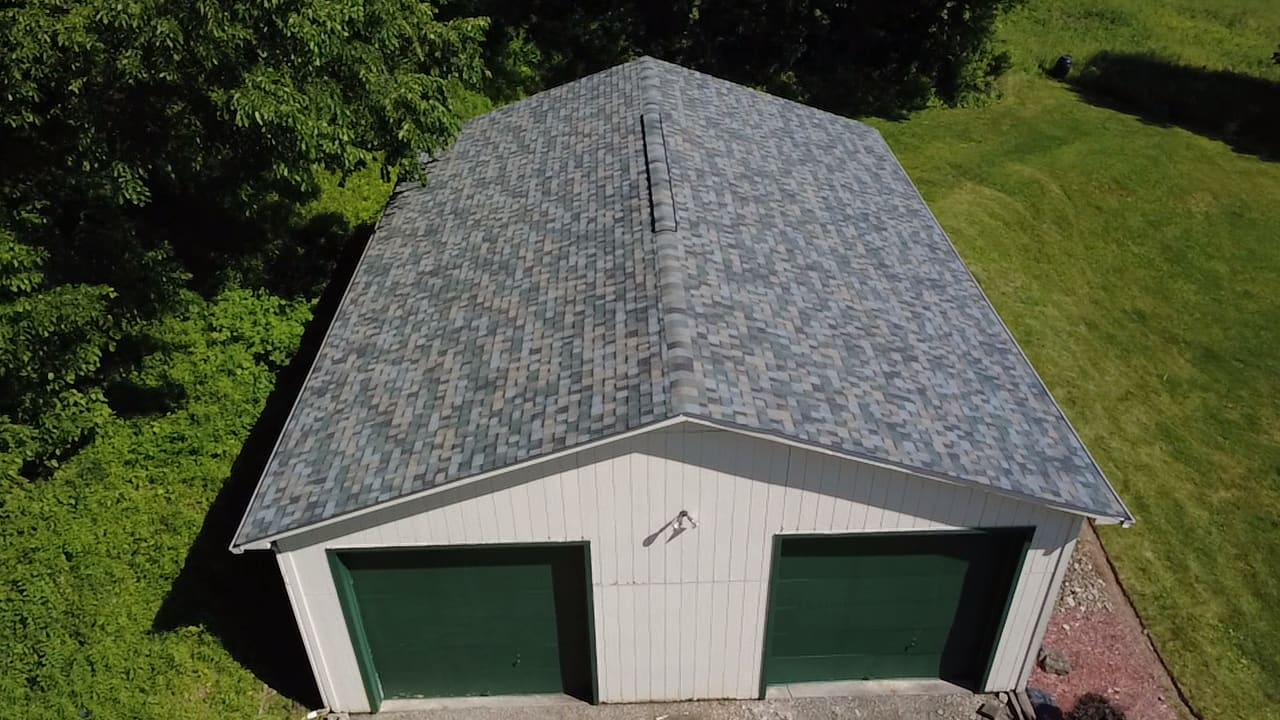
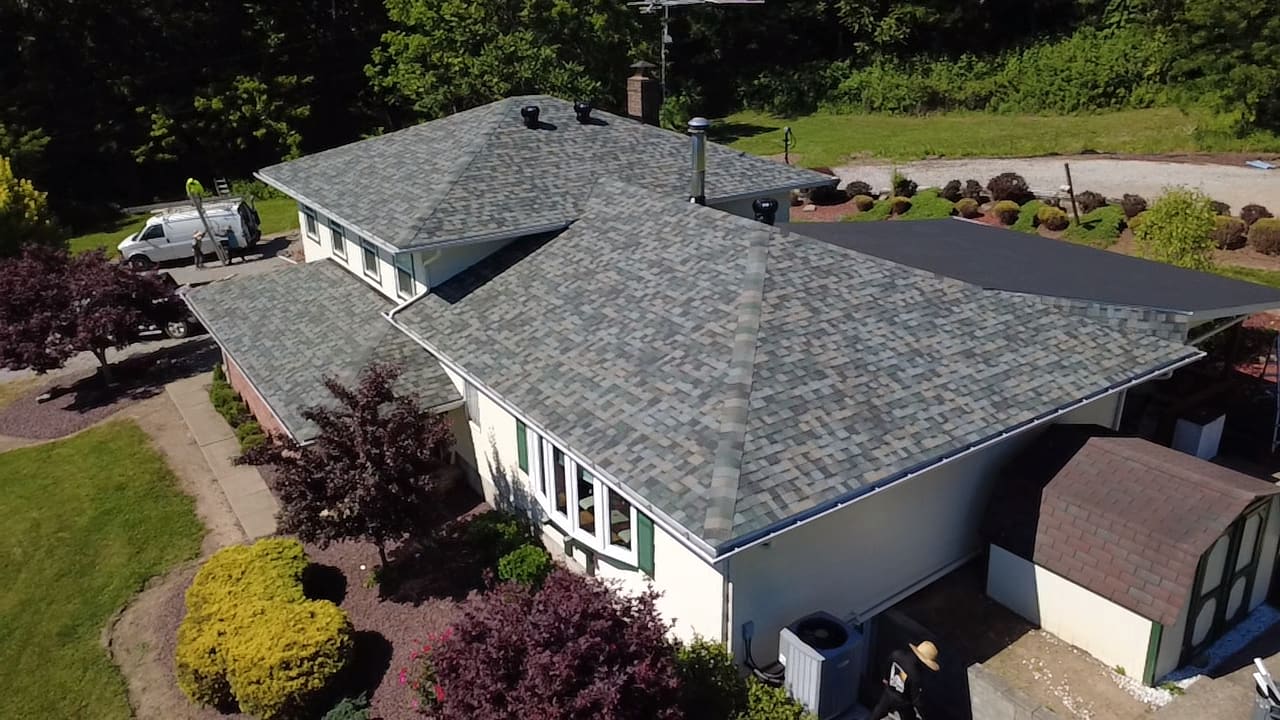
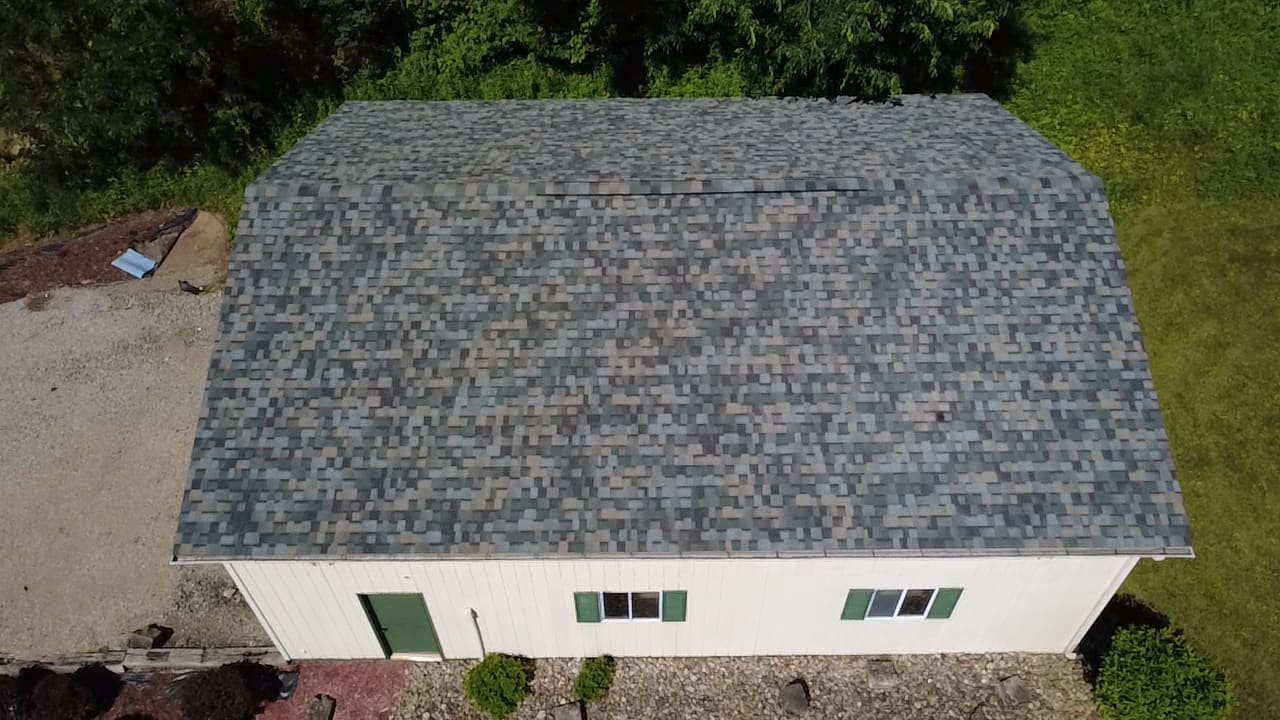
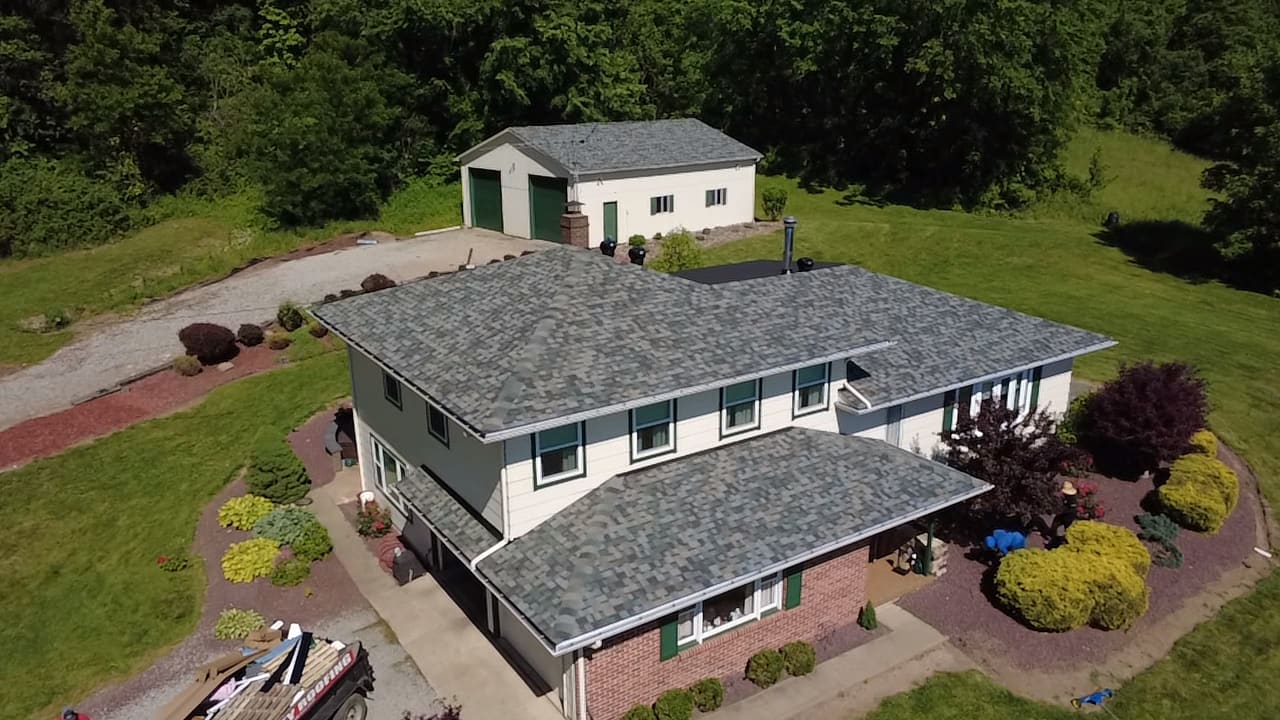
Gray Tweed2 roofs 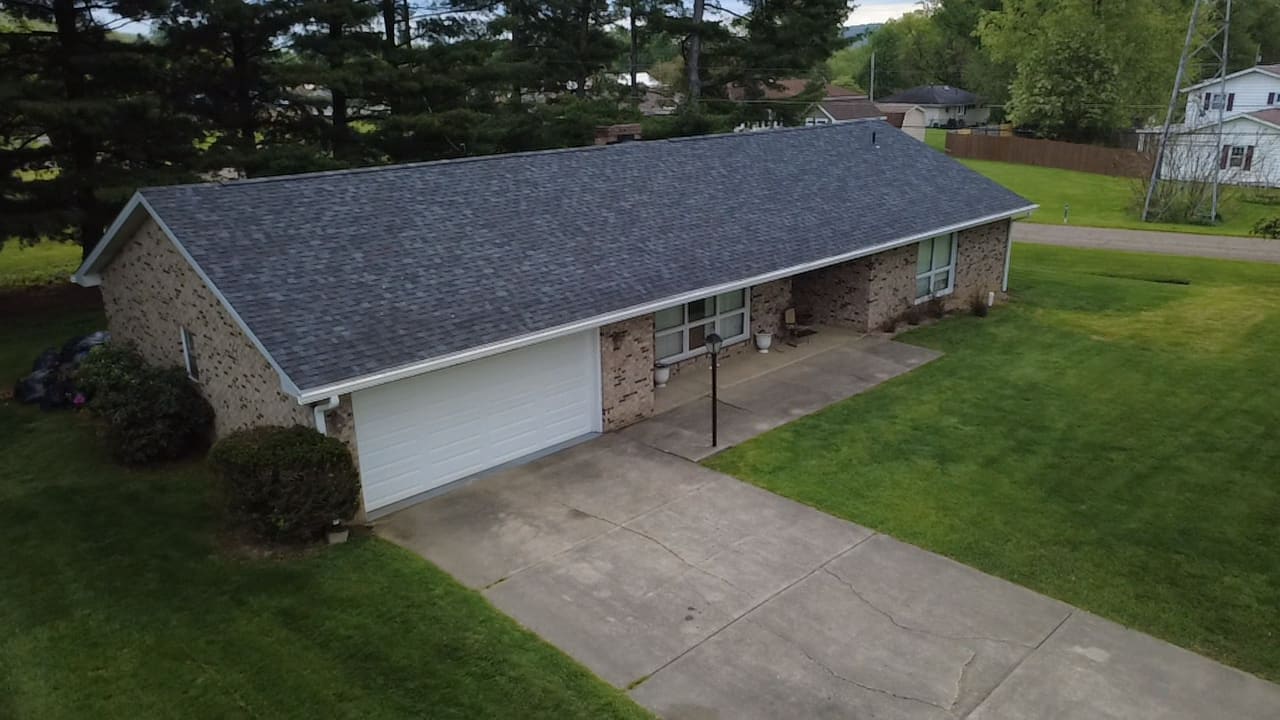
Merlot3 roofs 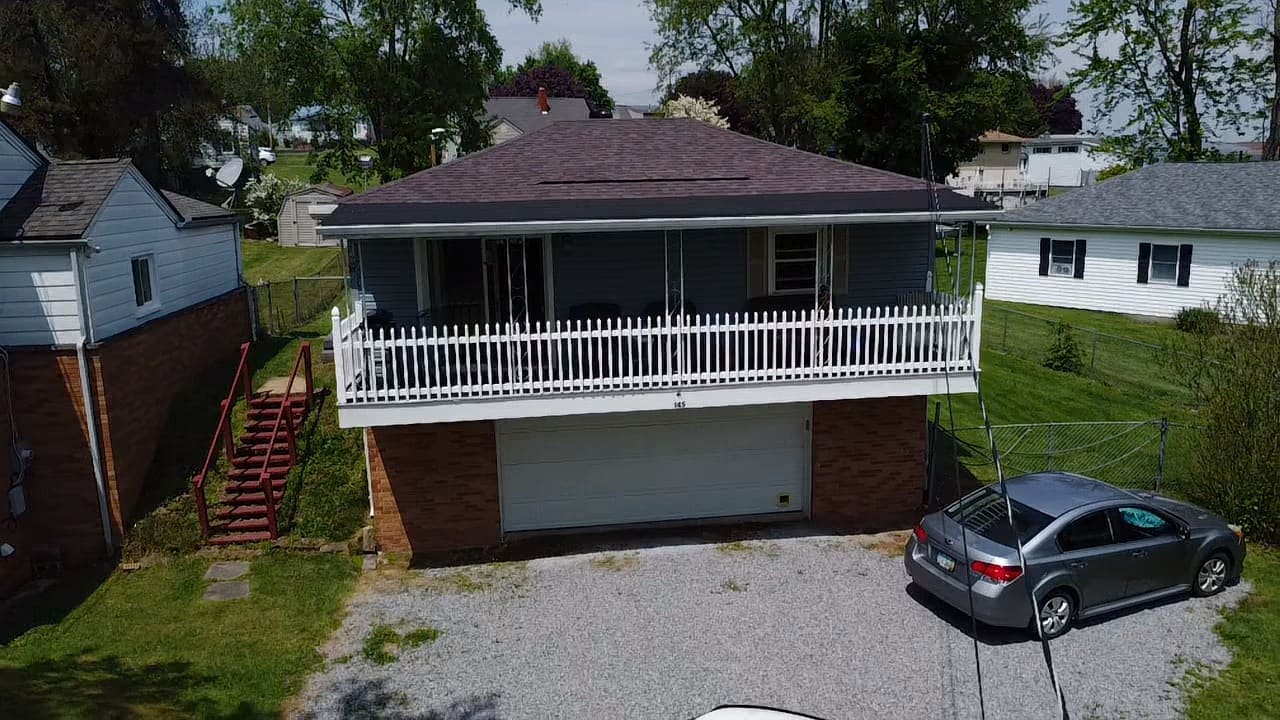
Midnight Plum11 roofs 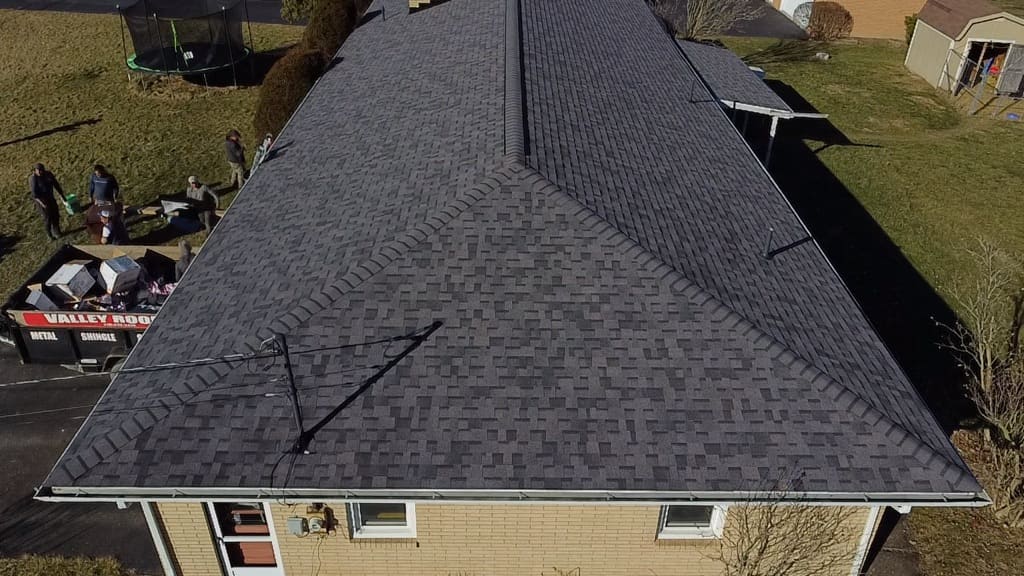
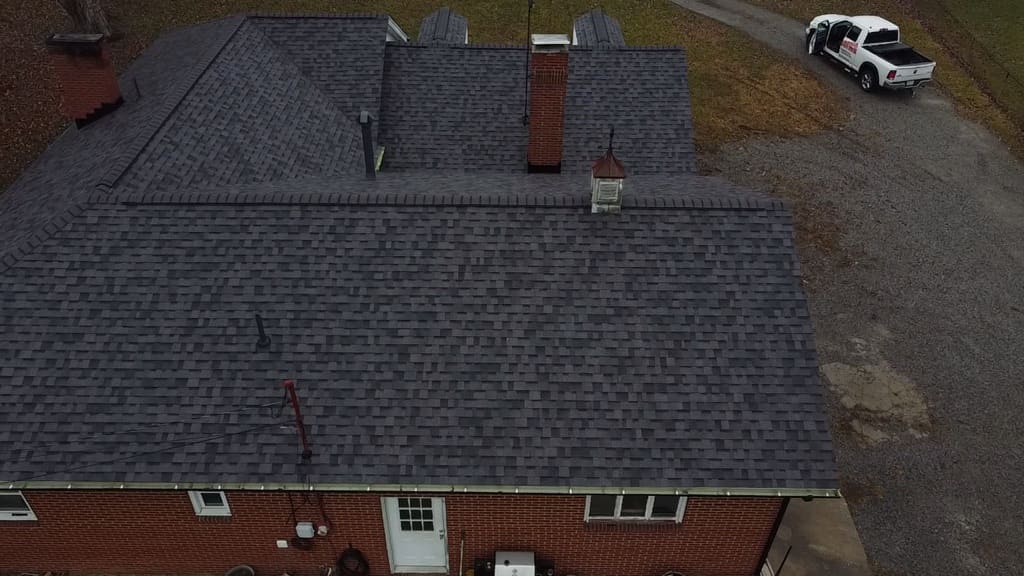
Onyx Black8 roofs 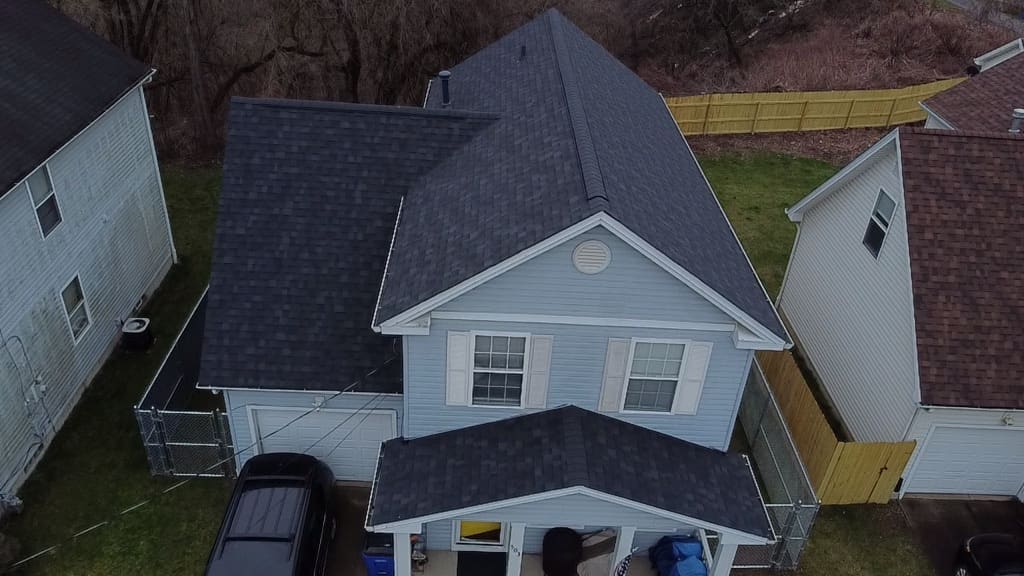
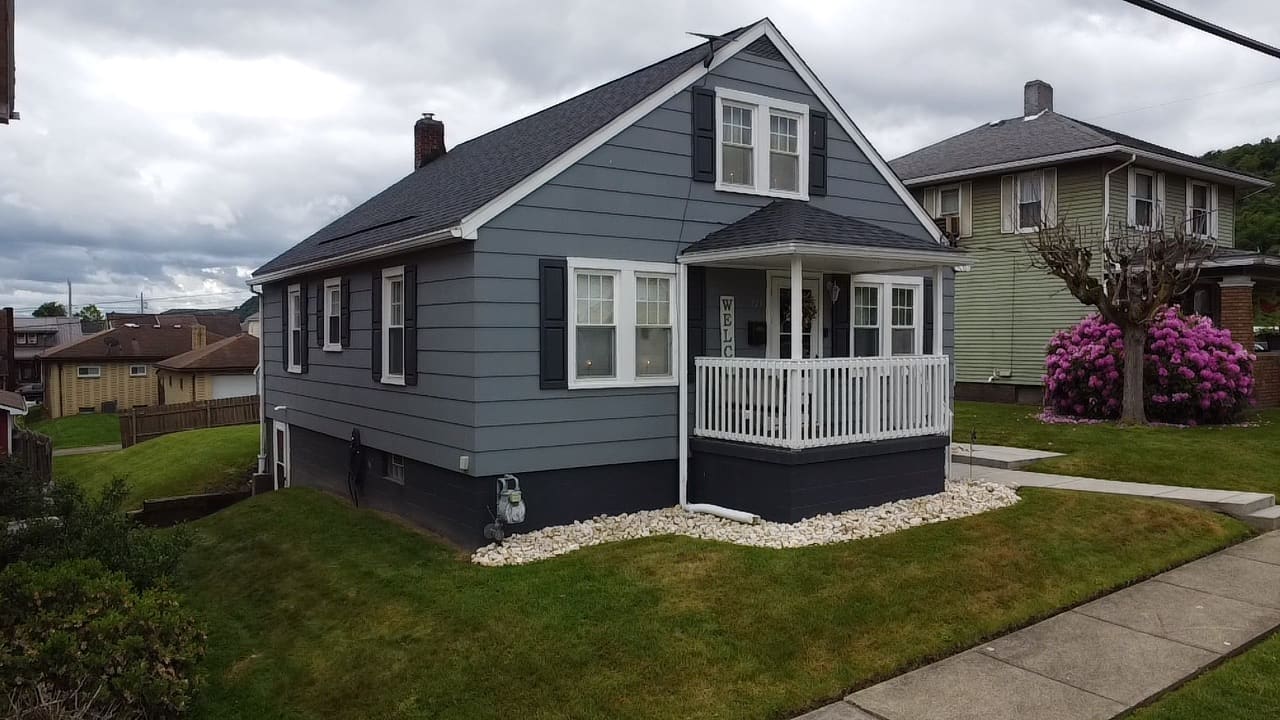
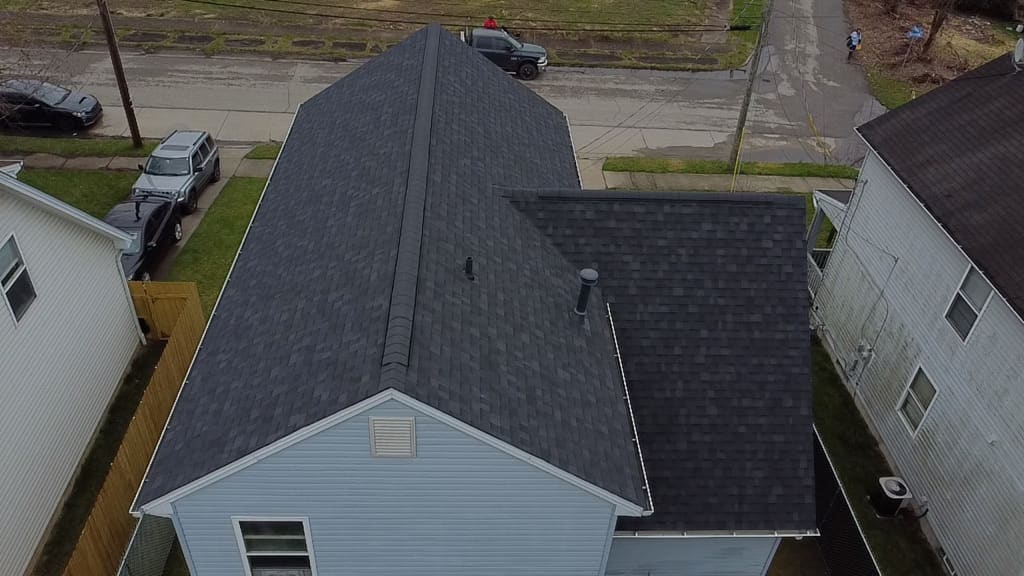
Pacific Wave6 roofs 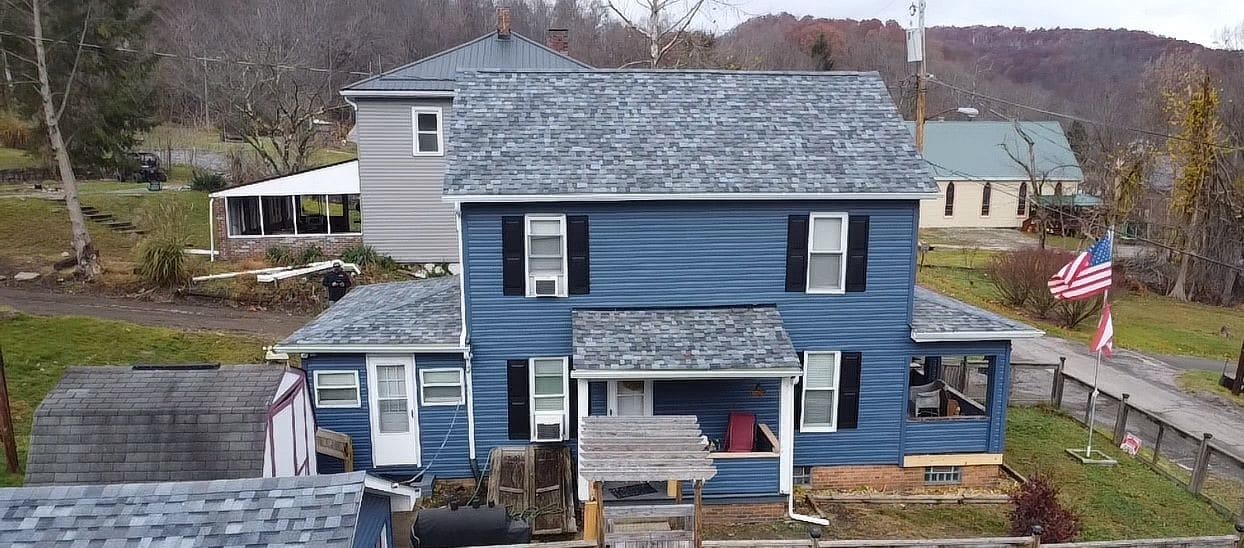
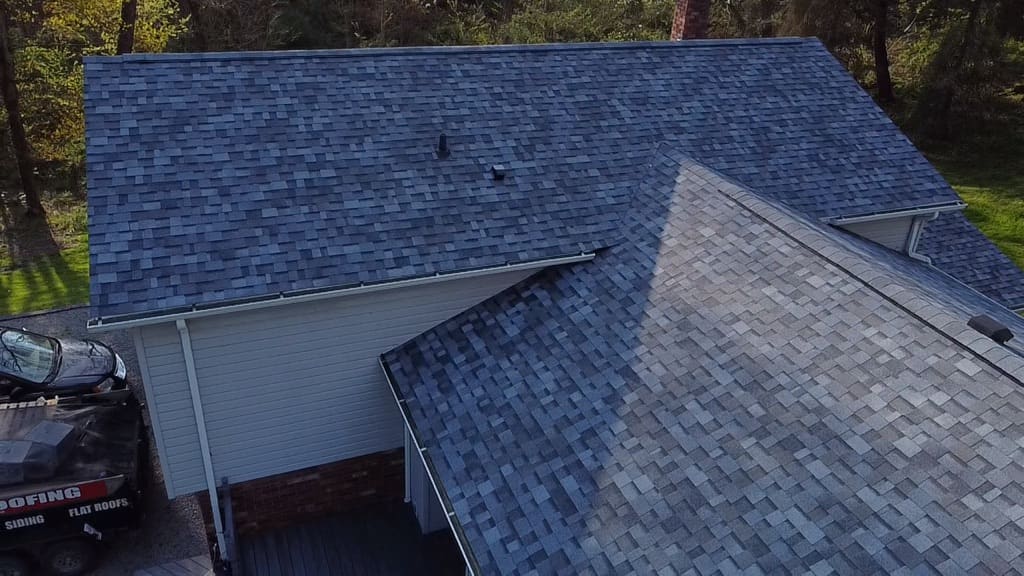
Sedona Canyon2 roofs 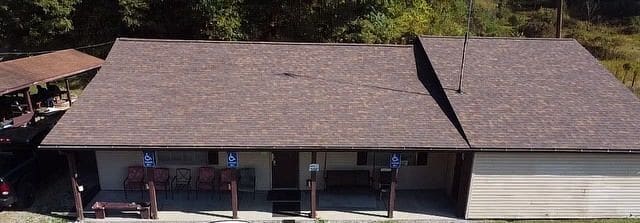
Summer Harvest5 roofs 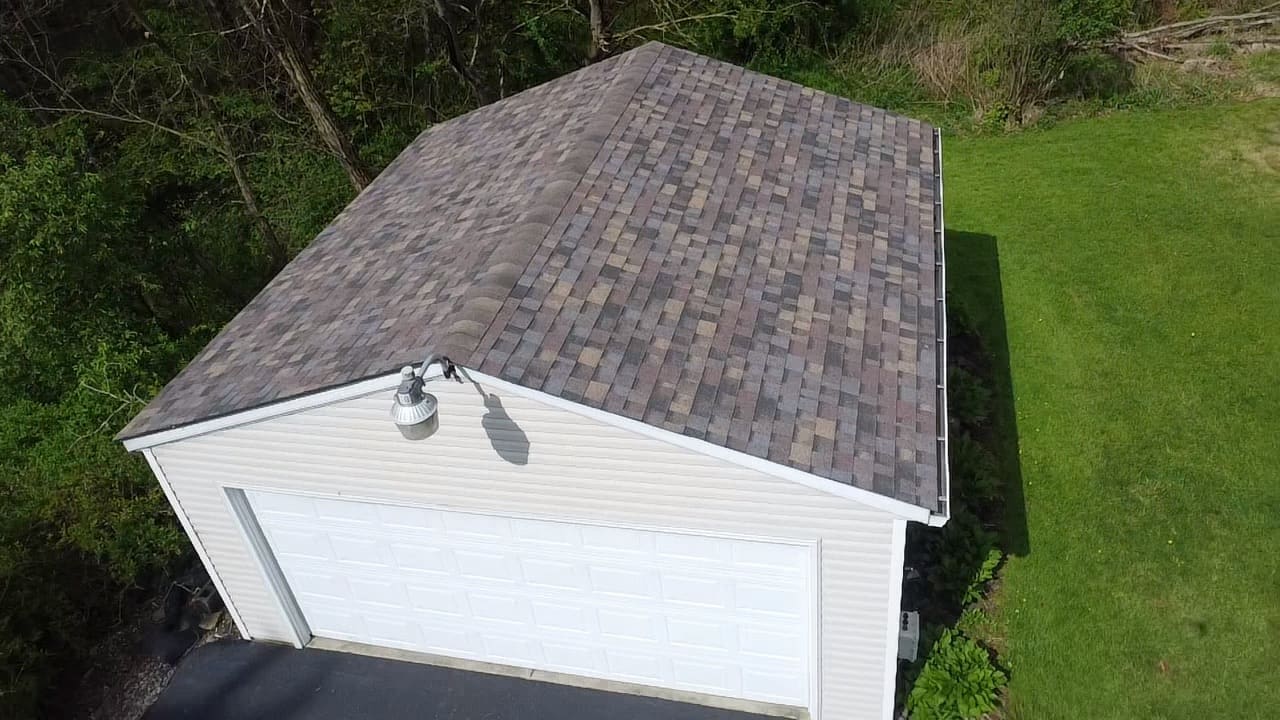
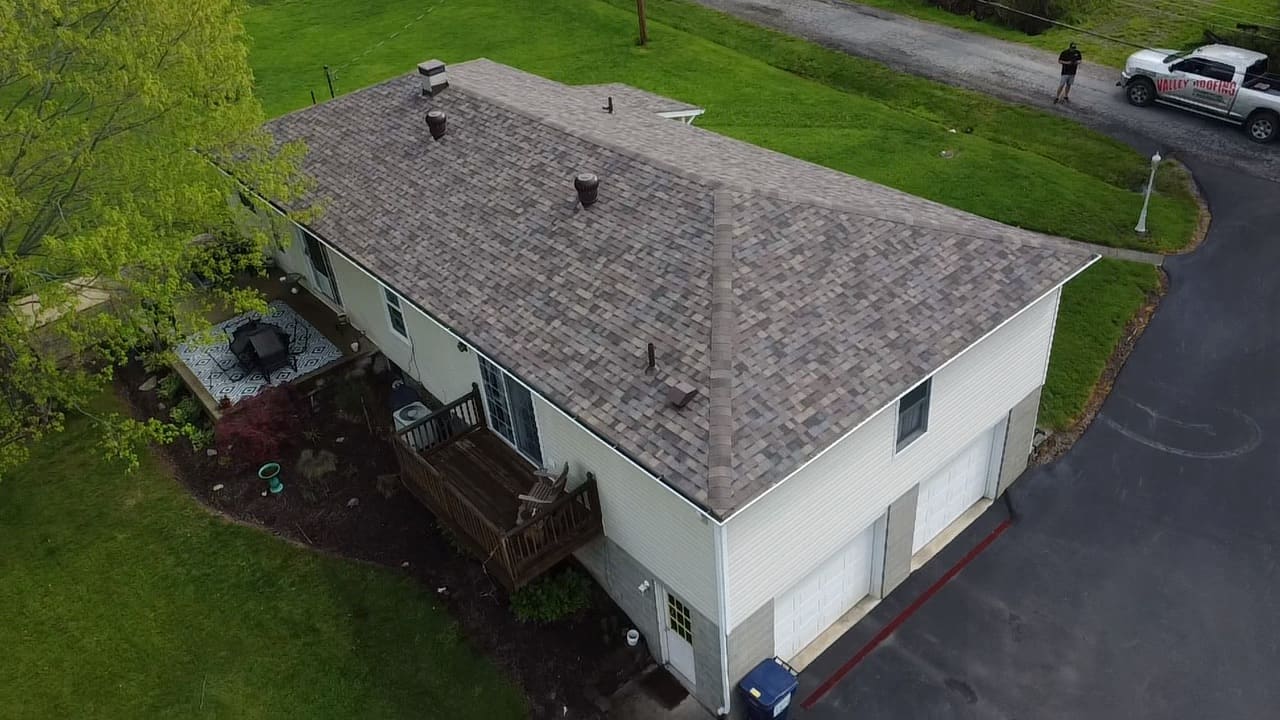
Teak2 roofs 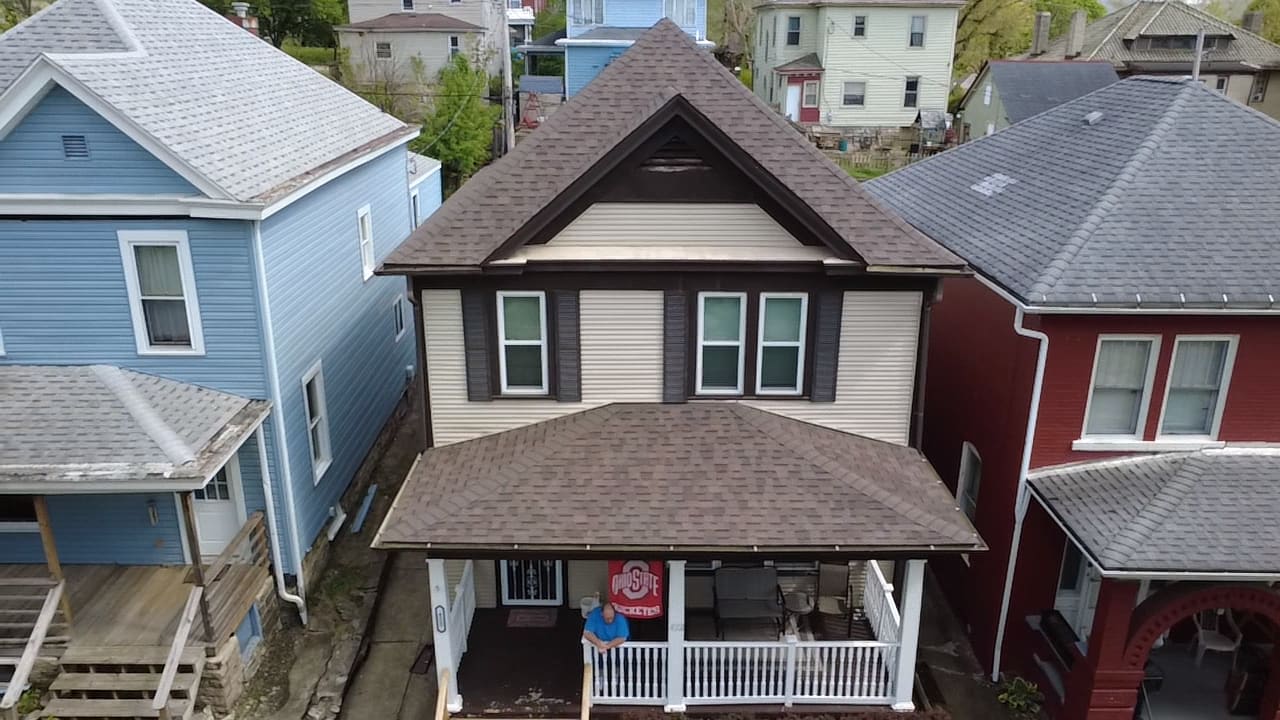
Insurance Claims
Storm damage? You should not have to take on the insurance company by yourself.
A roof claim is its own job on top of the damage — photographs, deadlines, language your carrier expects, and an adjuster who does this every day while you do it once in your life.
We inspect the roof, document what we find in the form your insurer wants it, and where we can we meet the adjuster at your property so somebody is standing there who reads roofs for a living. Then we do the work. Most homeowners tell us the second part was the part they were dreading.
Brands You Trust





Get a free shingle roofing estimate
Let's talk about your project and provide a free, simple, no-obligation estimate.